

Introduction
When Thanksgiving arrives, it is easy to eat past comfortable fullness and feel sluggish after.
This article explains meal planning, plate balance, and mindful portions.
Why a few small changes work
Also, you do not need “perfect” choices to feel good after the meal.
Over time, small habits like drinking water and slowing down can change how you eat.
For example, a short walk after dinner can feel better than collapsing on the couch.
How This Is Commonly Described
What people usually notice
Also, many people describe Thanksgiving eating as “saving up” all day, then going all in.
Because of this, they may feel ravenous at dinner and rush through the first plate.
However, others say they feel social pressure to taste everything, even when they are already full.
At the same time, rich foods can bring heavy, stuffed feelings that last into bedtime.
For example, tight waistbands and slow stairs the next morning are common holiday complaints.
How Movement, Pain, or Stiffness May Be Experienced
Body signals to pay attention to
Also, overeating can lead to belly pressure that makes sitting and bending feel uncomfortable.
When you stay seated for hours, hips and low back may feel stiff after the meal.
However, standing in the kitchen, lifting pans, and carrying plates can trigger neck and shoulder tension.
As a result, you might notice a headache, shallow breathing, or a “tight chest” feeling.
For example, climbing stairs with a full stomach can feel harder than usual, even at a slow pace.
How Care Is Commonly Approached (General Overview)
Plan your day, not just dinner
Also, eat a steady breakfast and lunch, so dinner is not your first real meal.
Because of this, your hunger stays calmer, and you can make clearer food choices.
For example, try yogurt with fruit in the morning, then a sandwich and salad at lunch.
Build a plate that feels satisfying
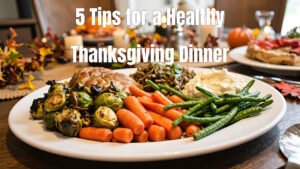
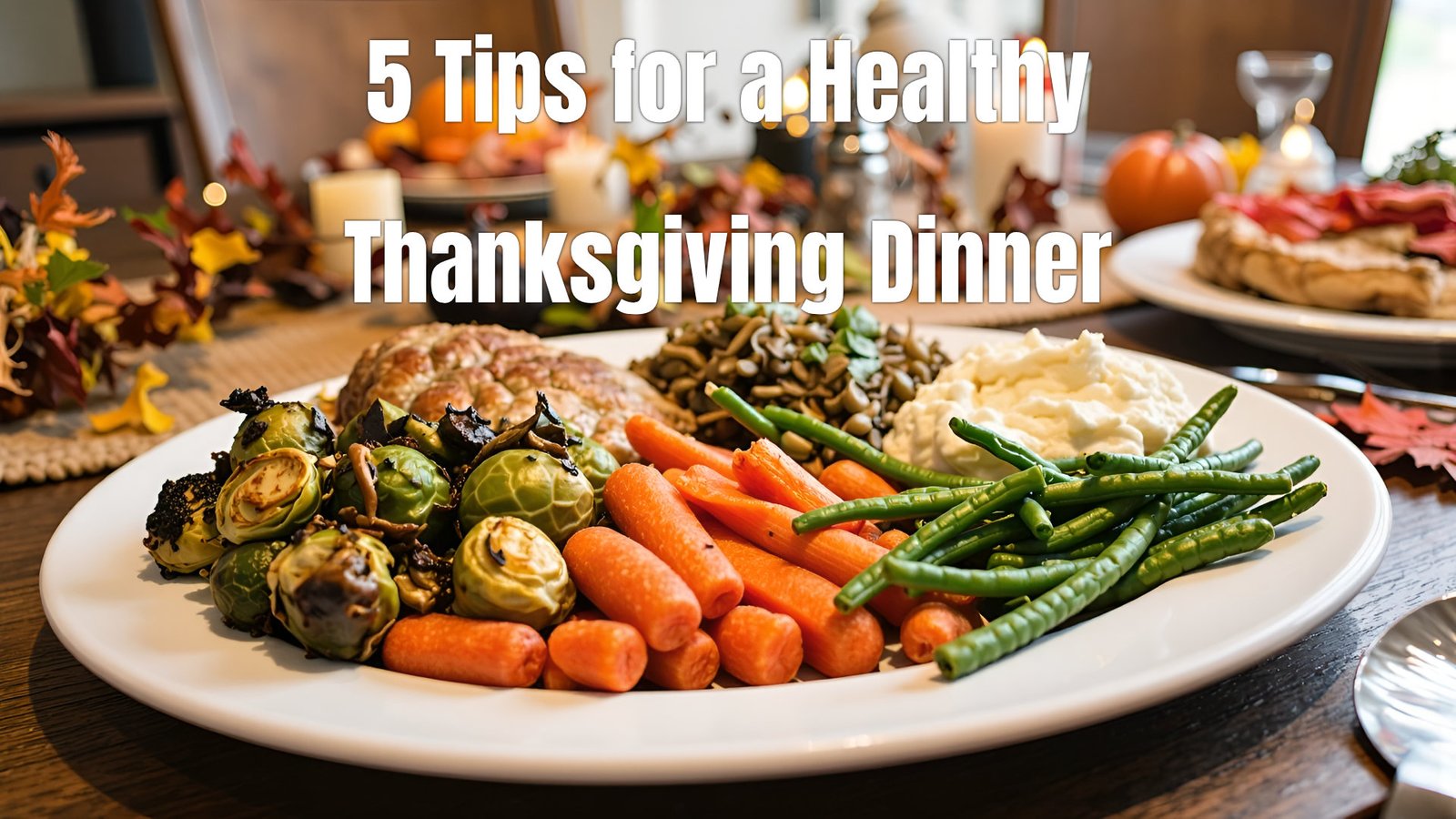
At the same time, aim for half your plate produce, then add protein and a favorite side.
However, keep one indulgent item you truly enjoy, so the meal still feels festive.
For example, choose roasted vegetables, turkey, and stuffing, then skip the random extras you do not love.
Use simple ingredient swaps
Also, lighten classics by using lower-fat dairy, broth, and herbs for flavor.
As a result, you can reduce added sugar and saturated fat without changing the whole menu.
For example, try roasting Brussels sprouts with olive oil, or making cranberry sauce with less sweetener.
Massage Therapy’s Supportive Role
Stress and body awareness
Also, stress can push fast eating, so relaxation skills can support better choices.
When you feel keyed up, a massage session may support calmer nervous system cues and easier breathing.
Because of this, some people notice better body awareness, which can help them stop at comfortable fullness.
Quick at-home options
For example, try gentle belly breathing for one minute before you start eating.
At the same time, a warm compress on the shoulders or a light self-massage can ease post-meal tension.
However, skip deep pressure on a very full stomach, and wait until digestion feels settled.
Safety Considerations & When to Seek Professional Care
When to be extra careful
Also, if you have diabetes, kidney disease, heart disease, or food allergies, plan your plate with your clinician’s guidance.
Because of this, changes like salt swaps or sugar substitutes may affect meds, fluid balance, or symptoms.
However, seek urgent care if you have severe chest pain, trouble breathing, fainting, or intense belly pain after eating.
Mindset matters too
At the same time, if holiday eating triggers guilt, bingeing, or restrictive patterns, consider support from a registered dietitian or therapist.
As a result, you can build a steadier food relationship that lasts beyond one holiday meal.
 Ramon Mascarenas is the owner of PalmLeaf Massage & Wellness. Jen Mascarenas is his wife and a vegan who believes in a whole-food, plant-based diet to promote vitality. She shares vegan recipes and writes abstract research articles for PalmLeaf Massage & Wellness. Ramon Mascarenas and his associates have licensed massage therapists who practice Myofascial Trigger Point Therapy and other medical massage