


Integrated Wellness for Pain Relief, Recovery & Skin Health Serving | Since 2013
Trusted 5-Star
Rated Service


Deep tissue massage targets the deeper layers of muscle and connective tissue to relieve long-standing tension and discomfort. With firm pressure and slow strokes, it helps release tight knots, improve circulation, and support recovery. It’s especially useful for chronic pain, stiffness, and post-injury healing, offering both physical relief and relaxation. The technique is customised to each person’s specific needs for effective results.
Prepayments are required for all appointments except for members
Our online platform displays same-day bookings two hours after your search. For instance, a 10:30 AM search shows 12:30 PM slots. To book sooner for best Therapeutic Massage or if you have SpaFinder or Spa & Wellness Gift Cards, please call 847-961-4800 for bookings.
| Therapeutic Massage | ||
|---|---|---|
| Duration | Price (With Membership) | Price (Regular) |
| 60 Minutes | $90 | $115 |
| 90 Minutes | $135 | $160 |
| 120 Minutes | $205 | $230 |

Deep tissue massage offers a range of benefits that extend beyond simple relaxation, addressing both physical and psychological needs. By working on deeper muscle layers and connective tissues, this technique provides targeted relief for a variety of conditions and overall well-being. Here are the core benefits of deep tissue massage:
The slow, firm strokes of deep tissue massage boost blood flow, helping deliver oxygen and nutrients to tissues for faster healing. Better circulation reduces inflammation, eases swelling, and supports recovery. A 2008 study in the Journal of Alternative and Complementary Medicine showed that massage can lower blood pressure and heart rate.
Stress and anxiety often manifest physically through muscle tension, headaches, and elevated cortisol levels. Deep tissue massage counteracts these effects by promoting the release of endorphins, serotonin, and oxytocin hormones that enhance mood and foster relaxation.
For athletes, deep tissue massage supports recovery and performance by reducing muscle stiffness, improving flexibility, and speeding healing through better blood flow. It also helps break down scar tissue from injuries or overuse, improving long-term mobility.
Pregnancy often brings discomfort like lower back pain, swollen joints, and muscle tension. Deep tissue massage can ease these symptoms by improving circulation, reducing swelling, and encouraging relaxation. It also helps regulate stress hormones such as cortisol while boosting mood-enhancing chemicals.
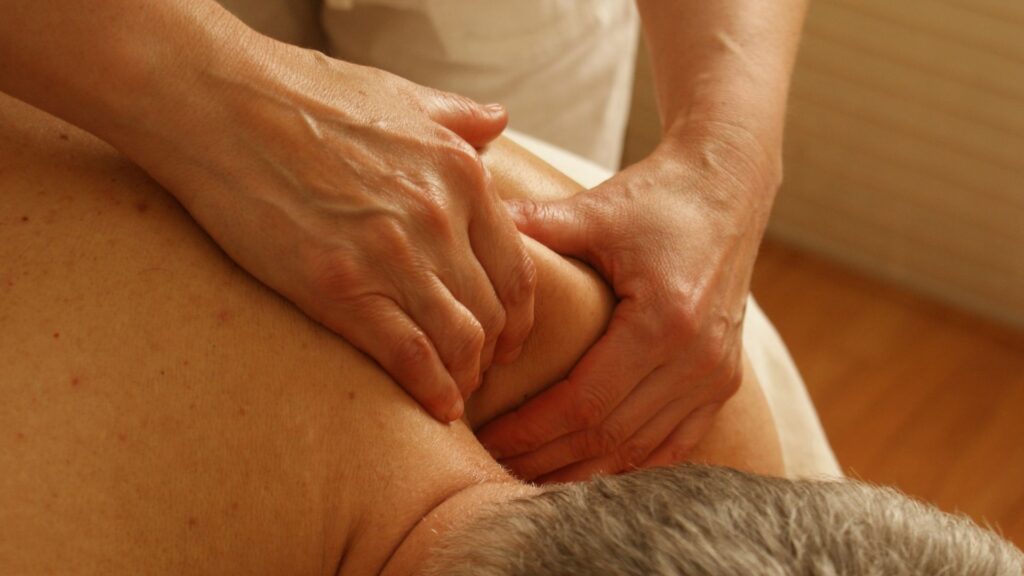
Deep tissue massage speeds healing, reduces stiffness, and prevents future injuries by improving circulation and correcting muscle imbalances.
Targeted massage techniques help reduce widespread pain, muscle sensitivity, and discomfort associated with fibromyalgia.
By easing tension in the foot’s fascia and surrounding muscles, deep tissue massage helps reduce pain and stiffness from plantar fasciitis.
Massage techniques help reduce stress and improve circulation, which can lead to lowered blood pressure levels over time.
Massage supports relaxation and better circulation, which can help lower blood pressure over time.
By reducing tension around the sciatic nerve caused by tight muscles or tissue, deep tissue massage eases pain and improves mobility.
Focused massage helps reduce inflammation, improve flexibility, and support healing from repetitive strain injuries like tennis elbow.
Deep tissue massage is a versatile therapy that delivers profound benefits, addressing both physical and psychological needs. Whether for managing chronic conditions, improving recovery times, or promoting relaxation, it serves as a holistic approach to overall wellness.
Deep tissue massage is a good choice if you have muscle pain, tension, or trouble moving easily. It’s not just about relaxing it’s about fixing problems in your muscles and helping your body feel better. Here are some examples of people who might need deep tissue massage:
Helps ease long-lasting back, neck, and shoulder pain by releasing deep muscle tension and improving blood flow.
Reduces tightness, boosts flexibility, speeds recovery, and helps prevent injuries during training or after workouts.
Breaks down scar tissue, reduces stiffness, and improves circulation to support faster healing.
Relieves neck and shoulder tension caused by long hours of sitting and poor posture.
Uses firm pressure to release stubborn knots and relax tight muscles in common areas like the back and shoulders.

Want to add more value? You can use your Health Savings Account (HSA) or Flex Savings Account FSA for therapeutic massage. MCC code 8099.
Source: American Massage Therapy Association (AMTAmassage.org)
A complementary option to address health concerns. Of consumers who discussed massage therapy with their doctor or medical provider:
Want to add more value? You can use your Health Savings Account (HSA) or Flex Savings Account FSA for therapeutic massage. MCC code 8099.
Source: American Massage Therapy Association (AMTAmassage.org)
Our clinic focuses on managing chronic pain, preventive injury, post-surgery recovery, and body maintenance; One client at a time.
PalmLeaf Massage Clinic may help with pain from these conditions:
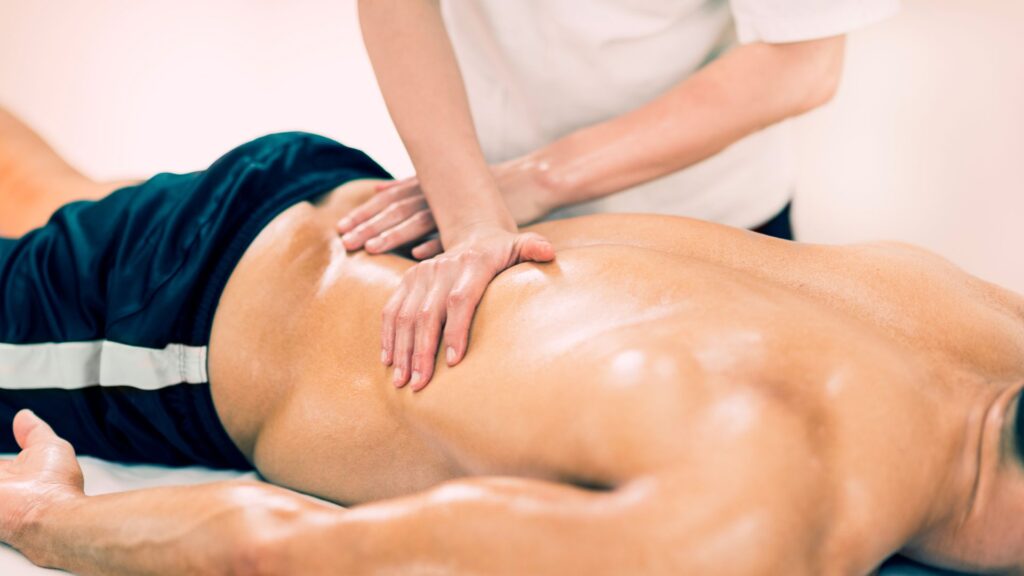
Our skilled team of therapists, acupuncturists, and wellness experts work together to create personalized treatments tailored to your needs. At PalmLeaf Massage, we’re dedicated to helping you relax, heal, and feel your best with care and expertise you can trust.
We combine time-tested therapies with modern techniques to provide complete wellness solutions for your body and mind.
Our team of trained therapists and wellness experts is committed to delivering care that puts your health first.
We personalized every session to suit your needs, ensuring you get the care and attention you deserve.
We help you build simple, lasting habits that support a healthier, more balanced lifestyle.
Using advanced methods and thoughtful practices, we bring you the best in massage, acupuncture, and chiropractic care.
Deep tissue massage is a step-by-step process that helps loosen tight muscles and reduce pain. It focuses on the deeper layers of your muscles and connective tissues. Here’s how it works:
The therapist starts by using gentle strokes to warm up your muscles. This helps increase blood flow and makes the deeper massage more comfortable and effective.
Unlike relaxing massages, deep tissue massage works on specific spots where you have pain or tightness. The therapist finds these areas and focuses on them during the session.
The therapist uses slow, steady movements to work on your muscles. These movements go along the direction of the muscle fibers, which helps release knots and tension without putting too much strain on your body.
To reach the deeper muscles, the therapist uses firm pressure with their hands, fingers, knuckles, or even elbows. While this pressure can feel intense, it’s not supposed to hurt too much. You can always tell your therapist if it feels uncomfortable.
Sometimes, the therapist applies pressure across the muscle fibers instead of along them. This can help break up tight bands of tissue, called adhesions, that make it hard for you to move.
Massage oils are often used to make the strokes smoother. Some therapists might also use hot stones or heat packs to relax your muscles even more and make the massage more effective.
The therapist doesn’t start with hard pressure right away. Instead, they gradually press deeper as your muscles relax. This helps avoid sudden discomfort and prepares your body for deeper work.
It’s normal to feel a little sore during a deep tissue massage because of the firm pressure. However, it shouldn’t hurt too much. Let your therapist know if it’s too painful, so they can adjust the pressure.
Deep tissue massage is a great way to ease tight muscles, improve blood flow, and help your body heal. By following these steps, therapists can safely and effectively relieve pain and tension.
A deep tissue massage is designed to release chronic muscle tension and break up knots in your deeper muscle layers. Here’s what you can expect during and after the session:
By understanding what to expect, you can get the most out of your deep tissue massage and enjoy its long-lasting benefits.
Deep tissue massage is often misunderstood, and there are plenty of myths about what it does and how it works. Let’s clear up these misunderstandings and explain why this type of massage is so helpful.
A lot of people think deep tissue massage has to be painful, but that’s not true. While the pressure might feel intense in tight areas, it shouldn’t feel like sharp or unbearable pain. A good therapist will check with you to make sure the pressure feels okay. Feeling a little sore during the massage is normal, especially in tense spots, but it should feel like “good pressure” that helps your muscles relax. Afterward, you should feel relief and notice better flexibility.
Many think deep tissue massage is just for people recovering from injuries, but it’s not. It’s great for anyone with chronic pain, stress, or tight muscles. It can also improve flexibility and overall muscle health. If you have issues like lower back pain, arthritis, or anxiety, this type of massage can help. Athletes also use it to recover faster and perform better.
People often think deep tissue massage just works on muscles, but it helps with more than that. It can improve how your joints move by loosening the tissues around them. This is why it’s so helpful for conditions like osteoarthritis or scar tissue that might make it hard to move.
Not all massages are the same. For example, Swedish massage focuses on relaxation, while deep tissue massage goes deeper to work on tight muscles and problem areas. It uses firm pressure and slow strokes to fix specific issues, making it ideal for chronic pain or muscle tension.
Some people think the relief from deep tissue massage doesn’t last long, but that’s not true. Regular sessions can improve posture, reduce pain, and keep muscles flexible over time. Experts recommend getting a deep tissue massage about once a month to keep your muscles healthy and avoid future problems.
It’s not true that you shouldn’t speak up during a massage. If the pressure feels too strong or you want the therapist to focus on a specific area, you should let them know. Communication helps the therapist make the session work best for you.
Deep tissue massage isn’t just about feeling pampered. It has real health benefits, like reducing stress, helping with injuries, and easing pain. It’s especially helpful for people with conditions like fibromyalgia, high blood pressure, or labor-related discomfort. It’s not just a luxury it’s a useful way to take care of your body.
If you’re wondering how often you should get a massage, a monthly session is usually enough to keep your muscles in good shape and prevent stiffness. Regular massages can also help you recover faster from injuries and keep your body moving well.
Deep tissue massage is more than just a way to relax. It helps with lots of health issues and can improve how you feel and move. By knowing the truth behind these myths, you can make the most of what this massage has to offer.
Deep tissue massage can help a lot of people, but it’s not safe for everyone. Some people should avoid it or talk to a doctor first. These include:
If you have any of these conditions, you might need a gentler type of massage or another kind of treatment.
How often you get a deep tissue massage depends on your needs. For general muscle health and flexibility, getting one about once a month works well. If you’re recovering from an injury or dealing with chronic pain, you might need one every 1-2 weeks until you feel better.
It depends on what you’re looking for. Deep tissue massage is better for working on deeper muscle layers to help with things like pain, tension, and injuries. Regular massages, like Swedish massage, are great for relaxation and stress relief. Both are helpful, but if you have tight muscles or lingering pain, deep tissue massage might be the right choice for you.
The main difference is how much pressure is used and what the goal is:
Some people should avoid deep tissue massage, including those who have:
If you’re unsure, it’s a good idea to check with your doctor first.
The neck and shoulders are often the most relaxing areas to massage. Many people get tight muscles in these spots from sitting at desks or using computers too much. Massaging these areas can help relieve stiffness and improve how you feel.
According to surveys, most people love having their back massaged the most, followed by their shoulders. Feet also rank high on the list, even more than the neck or legs. Everyone’s preferences are different, but these areas often hold the most tension.
Deep tissue massage is a great way to handle problems like chronic pain, tight muscles, and injury recovery. It’s different from relaxation massages because it targets deeper layers of muscles for long-lasting relief. While it’s not the best option for everyone, it’s a great way for many people to feel better both physically and mentally.
Myofascial Release in Buffalo Grove |
Myofascial Release in Vernon Hills |
Myofascial Release in Lake Zurich |
Myofascial Release in Barrington |
Myofascial Release in Palatine |
Myofascial Release in Arlington Heights |
Myofascial Release in Mount Prospect |
Myofascial Release in Bannockburn |
Myofascial Release in Long Grove |
Myofascial Release in Lincolnshire |
Myofascial Release in Kildeer |
Myofascial Release in Riverwoods |
Myofascial Release in Wheeling |
Myofascial Release in Deerfield |
Myofascial Release in Indian Creek |
Myofascial Release in Inverness |
Myofascial Release in Prospect Heights |
Myofascial Release in Hawthorn Woods |
Myofascial Release in Lake Forest |
Myofascial Release in Northbrook |
Myofascial Release in Northfield |
Myofascial Release in Glenview |
Myofascial Release in Rolling Meadows |
Myofascial Release in Mundelein |
Myofascial Release in Libertyville


