
Have you ever wondered, “Why do I feel tired in winter?” You are far from alone, especially during the cold, dark winter months in Buffalo Grove, IL.
Shorter days, changing routines and less movement can all take a toll on your energy. Here is what may be behind winter tiredness, what can help, and when it is time to check in with a doctor.
Quick Answer
What Causes Winter Tiredness?
Less daylight can disrupt your body clock, and winter routines often change sleep, movement and stress. If tiredness lingers for weeks or disrupts daily life, talk with a doctor.
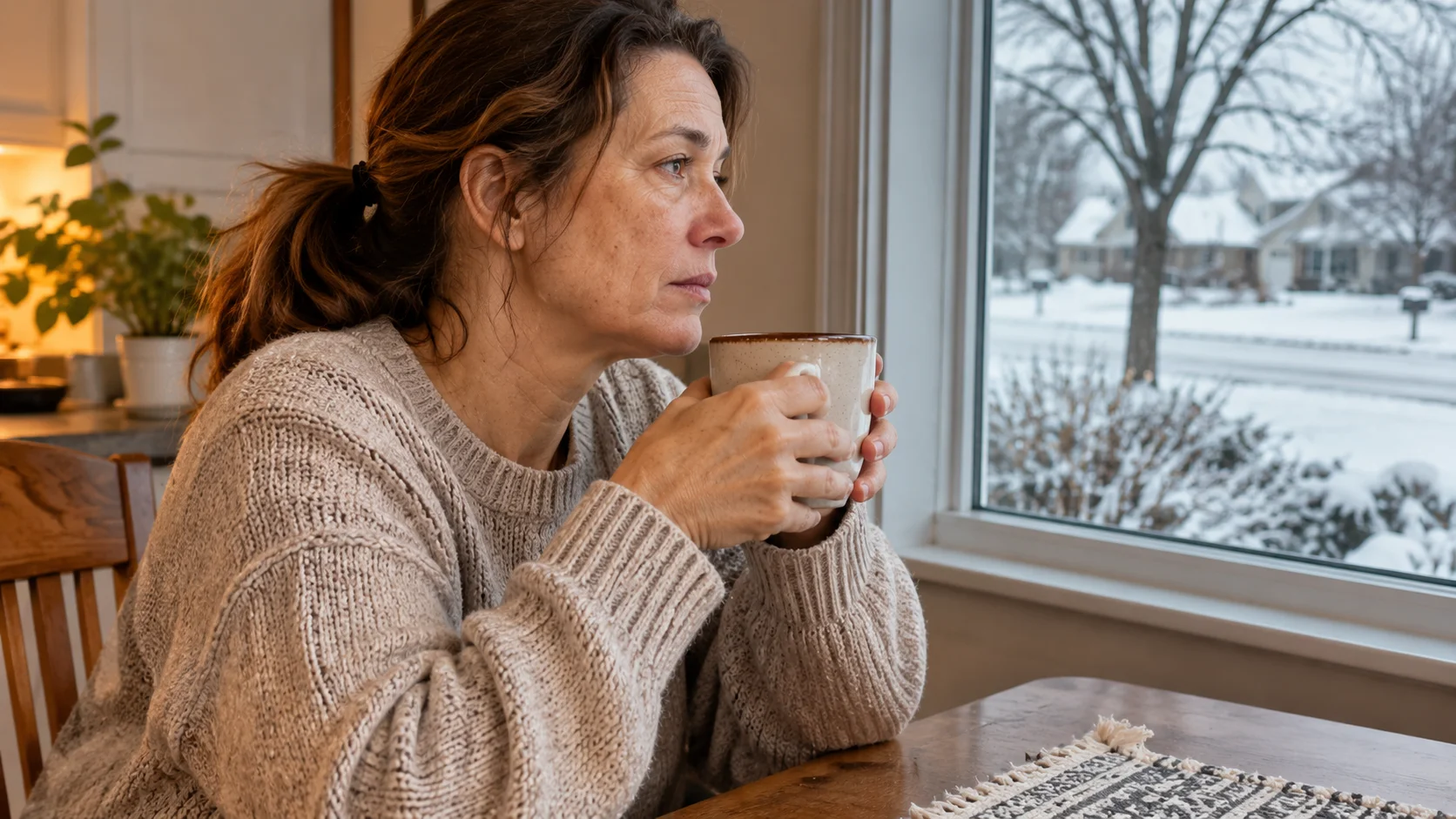
Shorter Days Can Throw Off Your Body Clock
Your body follows a daily rhythm that responds to light and darkness. Shorter winter days may disrupt this natural rhythm, affecting when you feel awake or sleepy. The National Institute of Mental Health (NIMH) notes that brain chemicals such as serotonin and melatonin may also play a role, particularly in people with seasonal affective disorder (SAD).
You do not need to wait for answers to make use of daylight. The NHS advises getting as much natural daylight as you can and going outside in the daytime every day. A walk at lunch, a coffee on the porch or opening the blinds as soon as you wake up all count.
Winter Habits That Affect Sleep
The CDC lists several habits that can improve sleep, and winter has a way of nudging us away from most of them. Holiday plans, late nights with a screen and heavier dinners are common culprits.
The CDC suggests going to bed and getting up at the same time every day, and keeping your bedroom quiet, relaxing and cool. It also recommends turning off electronic devices at least 30 minutes before bedtime and avoiding large meals, alcohol and late-day caffeine.
Sleeping in more often does not always fix the problem. The CDC counts feeling tired even after enough sleep as a sign of poor sleep quality, so a steady schedule may help more than extra hours in bed.
Less Movement and Everyday Routine Changes
Cold sidewalks and early darkness make it easy to skip a walk, and a quiet week can turn into a quiet month. The NHS lists an unhealthy diet and not much exercise among the common causes of tiredness, and the CDC includes regular exercise and a healthy diet among its sleep habits.
You do not need an intense workout. Pick something you can repeat on a busy day, such as a brisk walk, a short home routine or an indoor class. Regular, balanced meals that include protein, vegetables, fruit and whole grains can also support your overall health and well-being.

Stress, Mood and Seasonal Depression
Winter often brings more to carry: work deadlines, family gatherings, money worries and less time with friends. If the holidays are a big source of pressure, our guide to relieving holiday stress offers more ideas. The NHS names stress and depression as common causes of tiredness.
Some people have SAD, a type of depression with a recurring seasonal pattern. NIMH says it is different from the winter blues and includes significant changes in mood and behavior. Symptoms may include fatigue, sleeping more than usual, food cravings and spending less time with others.
If changes in your mood or energy begin to affect your daily life, consider speaking with a healthcare provider or mental health specialist. If you need immediate emotional support, call or text 988. In a life-threatening emergency, call 911.
What About Vitamin D?
Your skin produces vitamin D when exposed to sunlight. During winter, reduced sun exposure may affect your vitamin D levels.
However, feeling tired does not automatically mean you have low vitamin D. Since fatigue can have many causes, talk with your doctor before starting supplements, especially if you take medications.
When Tiredness Needs a Doctor
Sometimes what looks like a seasonal slump is something else. The NHS says to see a doctor if you have felt tired for a few weeks and are not sure why, or if tiredness affects your daily life. It also lists several conditions that can be behind it, including iron deficiency anemia, diabetes, an overactive thyroid and sleep apnea.
Pay attention to other symptoms, such as weight loss, mood changes, or loud snoring with gasping or choking noises at night. The NHS also advises against diagnosing yourself, so let a provider look at the whole picture.
Easing Winter Tension
Stress and long hours indoors can leave your neck and shoulders feeling tight, which may make it harder to relax in the evening.
You can read more about how stress affects the body and ways to unwind. Gentle stretching, a warm shower and a calm wind-down routine may help you settle. Some people also find massage or acupuncture helpful for relaxation, though neither replaces a medical check-up for ongoing fatigue.
Conclusion
Winter tiredness often comes from a mix of less daylight, changing routines and added stress. Getting outside during daylight hours, keeping a steady sleep schedule and staying active are good places to start. If tiredness continues, talk with your doctor.
Try inviting a friend or neighbor along for a daytime walk. It can make staying active more enjoyable while helping you stay connected, which the NHS also recommends.
If you are looking for a quiet way to unwind, PalmLeaf Massage & Wellness in Buffalo Grove, IL, offers massage therapy and acupuncture as supportive wellness options.
FAQs
Is feeling tired in winter normal?
It is common. Shorter days and routine changes can lower energy, but tiredness lasting a few weeks or affecting daily life deserves a doctor’s attention.
Are the winter blues the same as seasonal affective disorder?
Not exactly. SAD is a type of depression with a recurring seasonal pattern, and a provider can tell whether your symptoms fit.
How much sleep do adults need?
The CDC says adults ages 18 to 60 need seven or more hours. Needs shift slightly with age, so ask your provider about yours.
Can a light box help with winter tiredness?
NIMH describes light boxes as a treatment for winter-pattern SAD, usually used in the morning. Check with a provider first, especially with eye conditions.
What can I track before a doctor visit?
A short sleep diary helps: note bedtime, wake time, naps, exercise, caffeine and alcohol. The CDC says a provider may ask for one.
Sources
Seasonal Affective Disorder
National Institute of Mental Health
About Sleep
Centers for Disease Control and Prevention
This article is for informational purposes only and is not a substitute for professional medical advice, diagnosis, or treatment. Consult a qualified healthcare provider about your health or medical condition.