

A stressful week can affect more than your shoulders. You may notice tired feet, poor sleep, or tension that’s hard to shake. Reflexology as a complementary therapy offers a gentle way to slow down and relax.
It doesn’t replace medical care or treat the cause of an illness. Instead, reflexology may support comfort, relaxation, and general well-being as part of a broader care plan.
Quick Answer
How can reflexology as a complementary therapy help?
Reflexology may support relaxation, ease everyday foot tension, and reduce feelings of stress. It works best alongside appropriate medical care and healthy habits.
What Is Reflexology?
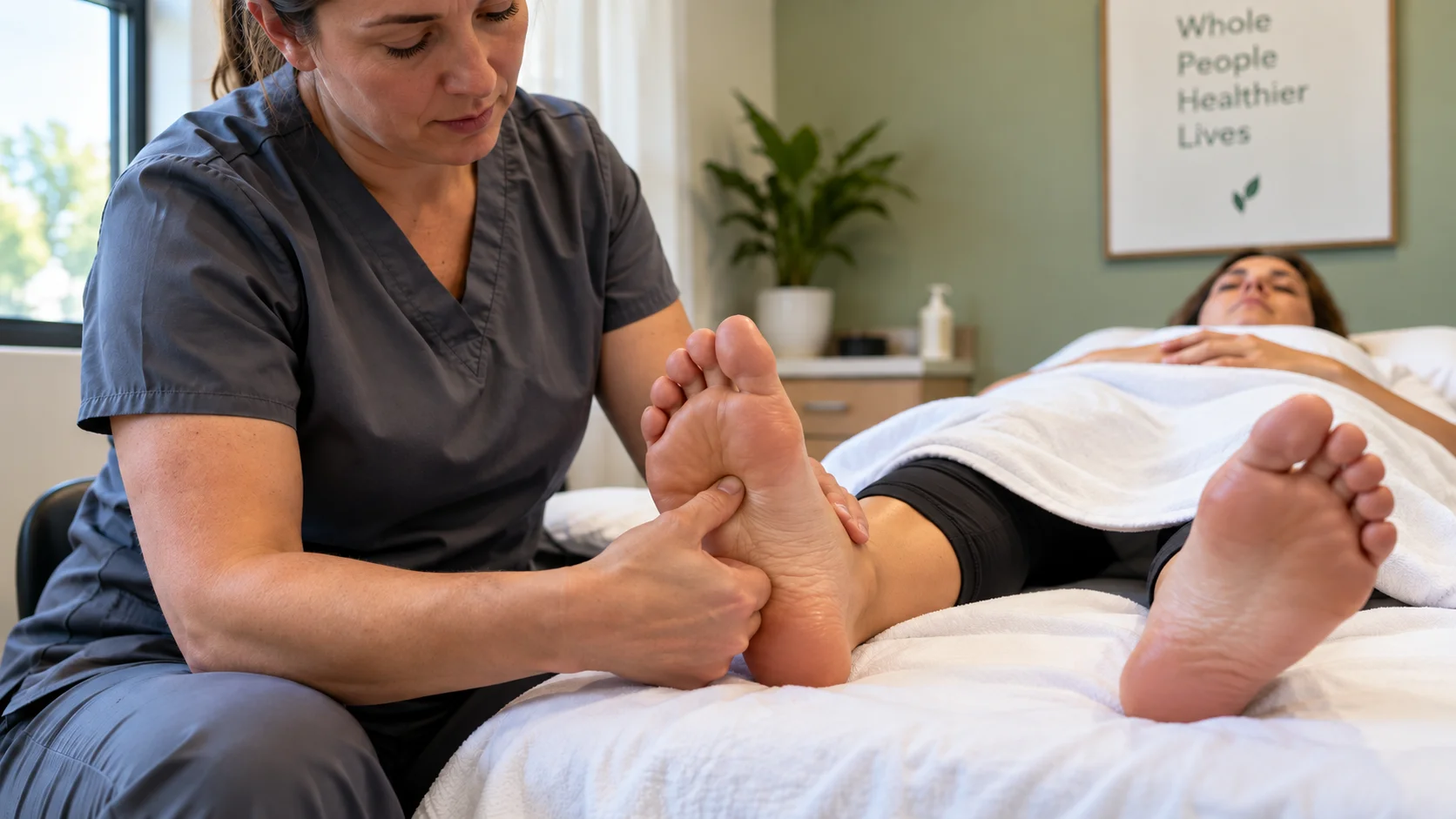
Reflexology is a hands-on practice focused mainly on the feet. Some sessions may also include the hands or ears. A practitioner uses their thumbs and fingers to apply steady pressure to certain areas.
Traditional reflexology maps these areas to different parts of the body. This idea remains central to the practice. However, research hasn’t shown that pressing a foot point can diagnose or directly treat disease in another organ.
For many people, the practical benefits come from the experience itself. Focused touch and quiet time may encourage relaxation. The pressure can also feel soothing on tired or achy feet.
How Reflexology May Support Relaxation
Complementary therapy is care used alongside medical treatment, not instead of it. Reflexology may fit into a wellness plan for stress management, general comfort, or self-care.
A session gives you time to slow down and notice how your body feels. Gentle pressure in a peaceful setting may support your body’s natural relaxation response. This can feel helpful when stress leaves you tense, tired, or restless.
Results vary from person to person. Some people feel calmer after one session. Others mainly enjoy having sore or tired feet cared for.
It’s best to view reflexology as supportive care. It isn’t a cure for chronic pain, headaches, circulation problems, digestive issues, or other health conditions.
What Happens During Reflexology?
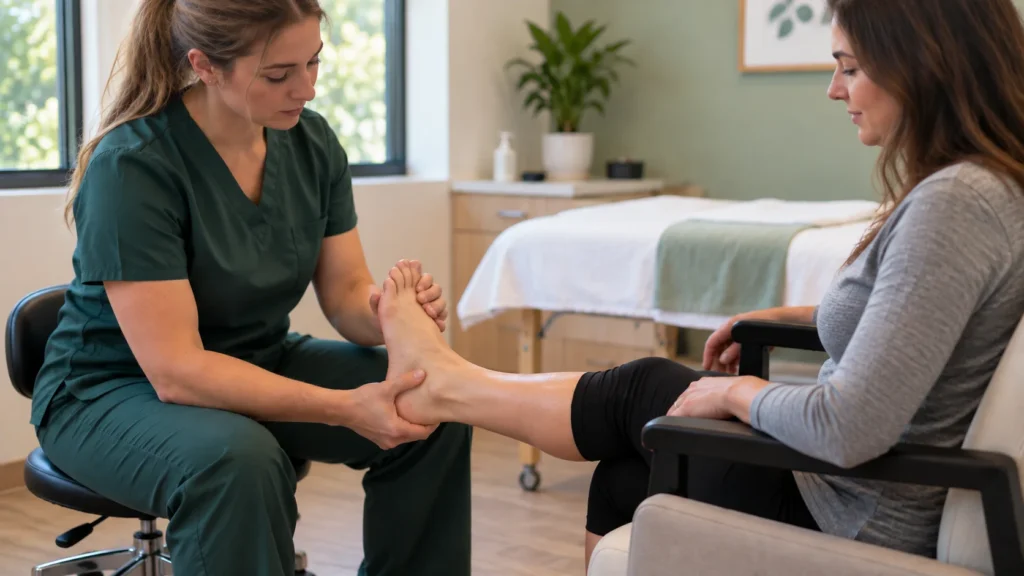
A reflexology session often starts with a short conversation. Your practitioner may ask about your health history, comfort, and goals.
You usually stay clothed while keeping your feet accessible. The practitioner may use lotion or oil. Pressure can be adjusted based on what feels comfortable to you.
The pressure should feel focused, but it shouldn’t cause sharp pain. Tell your practitioner about pain, numbness, ticklishness, or sensitive areas. More pressure isn’t always better.
After your session, you may feel relaxed or sleepy. You may also notice that your feet feel less tense. Give yourself a little time before returning to a packed schedule.
When Reflexology May Be Helpful
Reflexology may be worth considering when your goal is relaxation, foot comfort, or quiet recovery time. It can also suit people who want focused care instead of a full-body massage.
It may be especially appealing after long periods of standing or walking. Active adults may also enjoy it as one part of their recovery routine.
Hands-on care shouldn’t be your only approach to foot health. Supportive shoes and gradual changes in activity also matter. Pay attention to new or worsening pain rather than trying to work through it.
If discomfort affects your back, neck, joints, or movement, another service may be more suitable.
Complementary Services
Massage therapy may help when muscle tension extends beyond your feet. A massage can focus on tight areas in the legs, back, shoulders, or other parts of the body.
Acupuncture may be another complementary option for some wellness goals. A qualified practitioner can discuss your symptoms and whether acupuncture is appropriate for you.
At PalmLeaf Massage & Wellness, these services can be considered as parts of a broader wellness plan. The right approach depends on your symptoms, preferences, and health needs.
When to Check With a Doctor
Reflexology is generally gentle, but foot pressure isn’t right for everyone. Talk with a healthcare professional first if you have certain health concerns.
These may include diabetes-related loss of feeling, severe swelling, or circulation problems. You should also ask before booking if you have a recent fracture, surgery, foot wound, or blood clotting concern.
Avoid pressure over open skin, rashes, infections, or a recent injury.
Some symptoms need medical care rather than a wellness session. Seek prompt evaluation for sudden swelling, new numbness, or severe foot pain. Chest pain or shortness of breath also needs urgent medical attention.
Choosing a Reflexology Practitioner
Choose someone who asks about your health and explains the session clearly. They should listen when you describe your comfort level and adjust the pressure when needed.
Be cautious of anyone who promises to cure a medical condition. A reflexology practitioner also shouldn’t tell you to stop prescribed medication or medical treatment.
A responsible practitioner understands the limits of complementary care. They should also know when your symptoms need evaluation by another healthcare professional.
A Calming Part of Your Routine
Reflexology as a complementary therapy can offer a simple way to slow down and care for tired feet. Some people find it relaxing and comforting, especially during stressful or busy periods.
Use it alongside the medical care, movement, rest, and healthy habits your body needs. If reflexology fits your wellness goals, PalmLeaf Massage & Wellness can help you explore how it may fit into your routine.
Sources
Reflexology
National Center for Complementary and Integrative Health
The Effectiveness of Reflexology on Mental Health in Cancer Patients: A Systematic Review and Meta-Analysis of Randomised Controlled Trials
PubMed / Complementary Therapies in Clinical Practice
Effectiveness of Reflexology on Anxiety of Patients Undergoing Cardiovascular Interventional Procedures: A Systematic Review and Meta-Analysis of Randomized Controlled Trials
PubMed / Journal of Advanced Nursing
Reflexology: What It Is and How It Works
Cleveland Clinic
This article is for informational purposes only and is not a substitute for professional medical advice, diagnosis, or treatment. Consult a qualified healthcare provider about your health or medical condition.