
You might wake up with a sore jaw or catch your teeth pressed together during a busy workday. Jaw tension is surprisingly common, and it can spread to the face, neck, and head. This post explains what it can feel like, which simple habits may help, and how massage may fit into your routine.
Quick Answer
Can Massage Help With Jaw Tension?
Massage may help the muscles around your jaw, neck, and shoulders feel more relaxed. It can’t diagnose jaw problems, so persistent pain or locking is worth checking with a dentist or doctor.
How Massage for Jaw Tension May Help
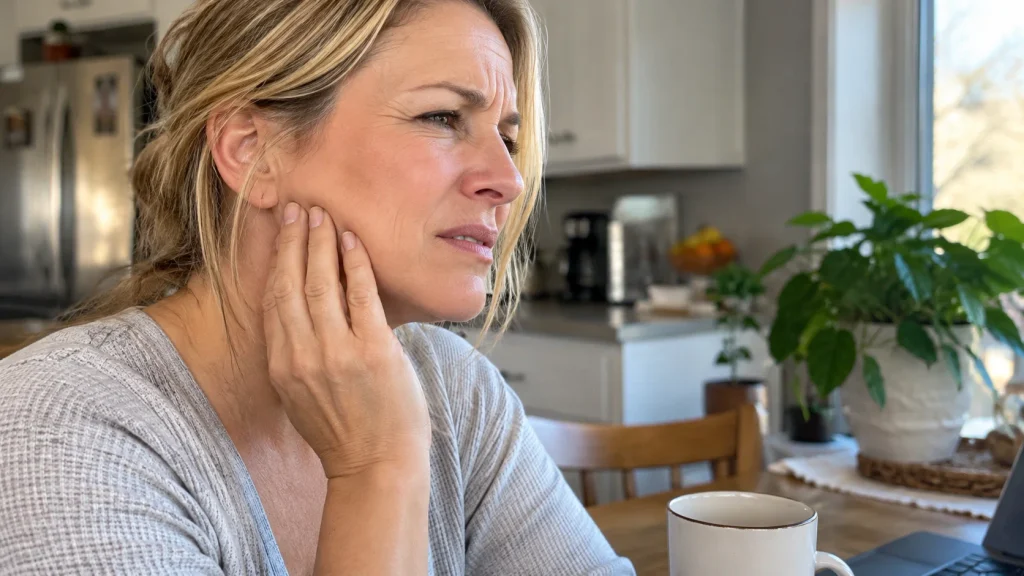
Muscles in your cheeks and temples help you chew, speak, and yawn, so when they feel sore or tight, the discomfort can spread to the face and neck.
The NIDCR, part of the National Institutes of Health, says more than 30 conditions called temporomandibular disorders (TMDs) can cause pain in the jaw joint and chewing muscles. The exact cause is often unclear, but a jaw injury or ongoing emotional stress may play a part in developing them.
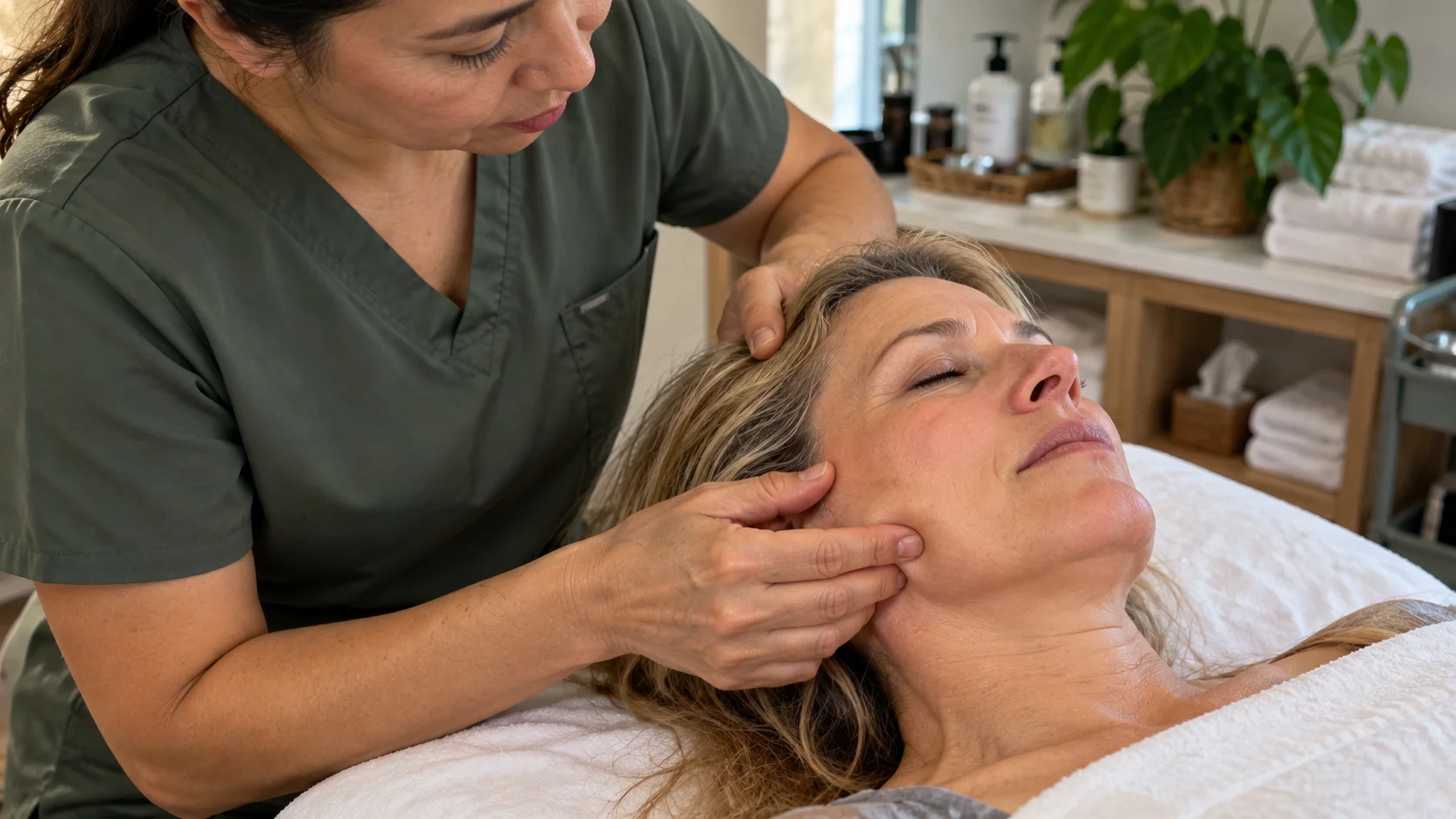
Massage focuses on the soft tissue around the jaw, plus the neck and shoulders that often tighten along with it. A therapist may use slow strokes and gentle pressure on the cheeks, temples, and scalp.
Some people feel less tension around their jaw and face afterward, while others simply enjoy the calming effects of a massage. Hands-on care also appears in physical therapy for jaw problems, although that is a separate service from massage.
3 Ways Massage May Help
Looser Muscles
Jaw, temple, and neck muscles can feel tight after a stressful stretch of days, and massage works directly on these areas, so many people notice less tension afterward.
A Break From Clenching
A quiet massage session may help you notice when you’re clenching your jaw. As you relax, you may find it easier to release that tension.
Clues About Daily Habits
You may start to notice when you clench your teeth or hold your breath during the day. That awareness can help you identify habits worth mentioning to your dentist or doctor.
What to Expect
Your therapist will ask where you feel tight and how much pressure feels right. Work near the face and jaw is usually gentle, and you can ask to pause or change the pressure whenever you feel uncomfortable.
Let your therapist know about any jaw clicking, locking, or recent dental procedures before you begin. Comfort varies from person to person, so a slower pace is always fine.
Afterward, you may feel relaxed, or slightly tender around the face and neck. For a sore jaw between appointments, NIDCR suggests soft foods, heat or cold on the face, and cutting back on clenching, gum chewing, and nail biting.
When to Check First
Massage therapists don’t diagnose jaw problems, so see a dentist or doctor first if you have:
- Jaw pain that lasts for a long time or keeps coming back.
- A jaw that locks, catches, or opens only part of the way.
- Painful clicking, popping, or grinding when you open or close your mouth.
- Ringing in the ears, hearing loss, or dizziness that comes along with jaw discomfort.
Jaw pain can also have causes unrelated to the jaw itself, and Mayo Clinic lists jaw pain among heart attack symptoms, so call emergency services if it comes with chest pain, shortness of breath, cold sweat, or nausea.
The NHS also lists jaw pain when eating, blurred or double vision, and a sore scalp among signs to get urgent help for a headache.
Complementary Services
Massage and acupuncture may offer ways to relax when your jaw feels tight. Some people include both in their wellness routine, although research on their benefits for jaw disorders is limited.
Neither one replaces care from a dentist or doctor, who can examine the joint itself and suggest appropriate next steps if jaw problems linger.
Conclusion
Tightness in the jaw often builds quietly, so the first step is simply noticing when it happens. Throughout the day, check whether your teeth are touching or your jaw feels clenched, and let it soften.
Massage may help the muscles around your jaw relax, and small daily habits can support that effort. If pain, locking, or painful clicking sticks around, bring it up with a dentist or doctor.
FAQs
Why does my jaw feel tight?
The exact cause is often unclear, but a jaw injury or ongoing life stress may play a part, and habits like clenching or gum chewing can keep the muscles feeling sore.
Is jaw clicking normal?
Clicking or popping without any pain is common and usually doesn’t need treatment, according to NIDCR, but you should see a dentist or doctor if it hurts or the jaw locks.
Can massage help a tight jaw?
Many people feel more relaxed and less tight around the jaw, neck, and shoulders afterward, although results vary, and massage supports your routine without replacing dental or medical care.
What can I do at home for a sore jaw?
NIDCR suggests soft foods, heat or cold on the face, and gentle jaw stretches, and cutting back on clenching, gum chewing, and nail biting may help as well.
When should I see a dentist or doctor?
Check in if jaw pain lingers, the jaw locks or opens only partway, or clicking is painful, and get emergency help if jaw pain comes with chest pain or shortness of breath.
Sources
TMD
NIDCR, National Institutes of Health
Heart attack – Symptoms & causes
Mayo Clinic
This article is for informational purposes only and is not a substitute for professional medical advice, diagnosis, or treatment. Consult a qualified healthcare provider about your health or medical condition.