
Tight muscles that will not relax can make a long week feel even longer. Cupping therapy for tight muscles is one option some people try when they want a different kind of hands-on care.
Below, we cover how cupping works, how massage may help, and when to check with a doctor first.
Quick Answer
Does Cupping Hurt?
Cupping should not be painful. Cleveland Clinic says you may feel skin tightness during treatment and mild soreness afterward, but you should not have severe discomfort.
How Cupping Therapy May Help
What a Cupping Session Is
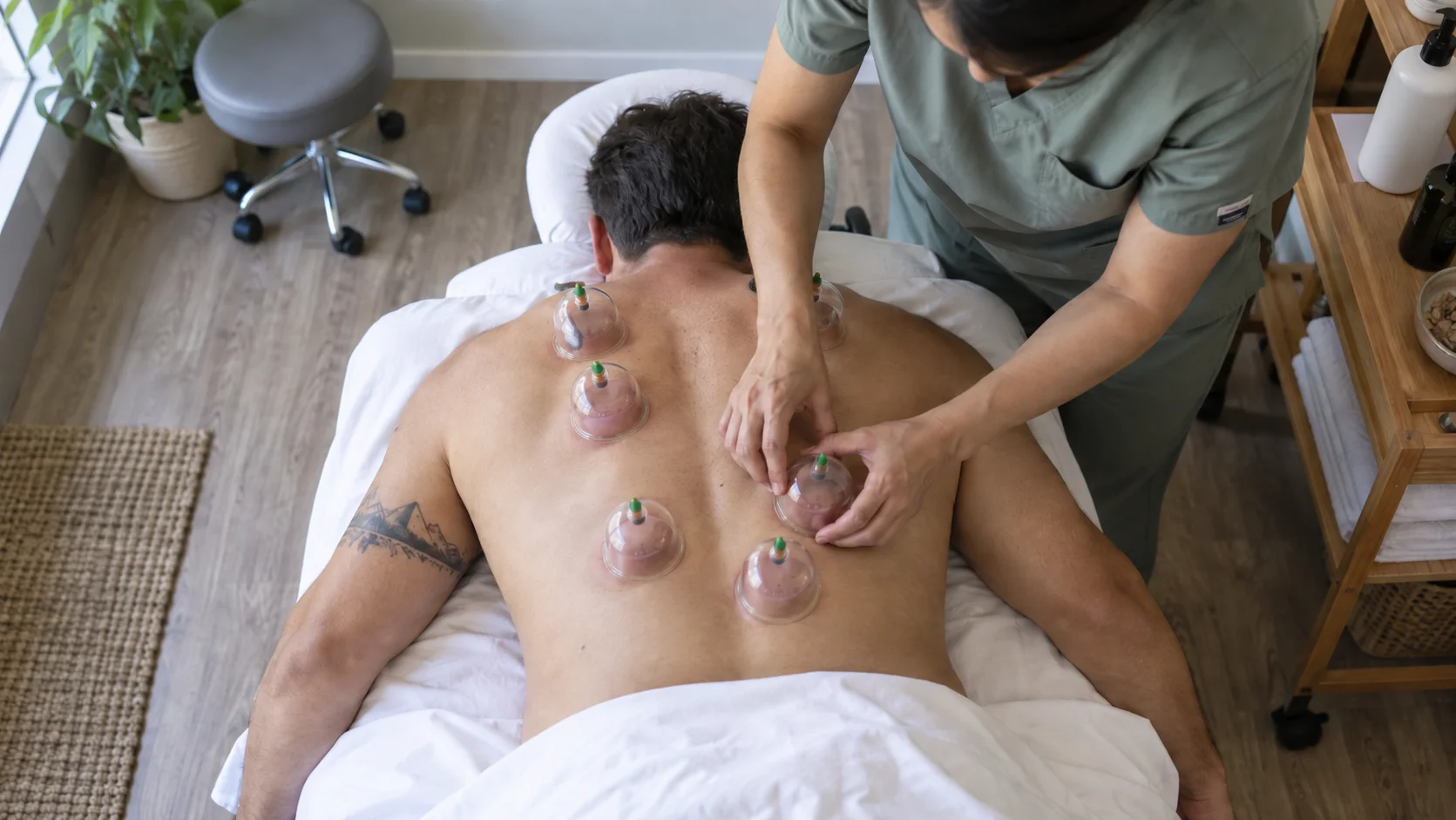
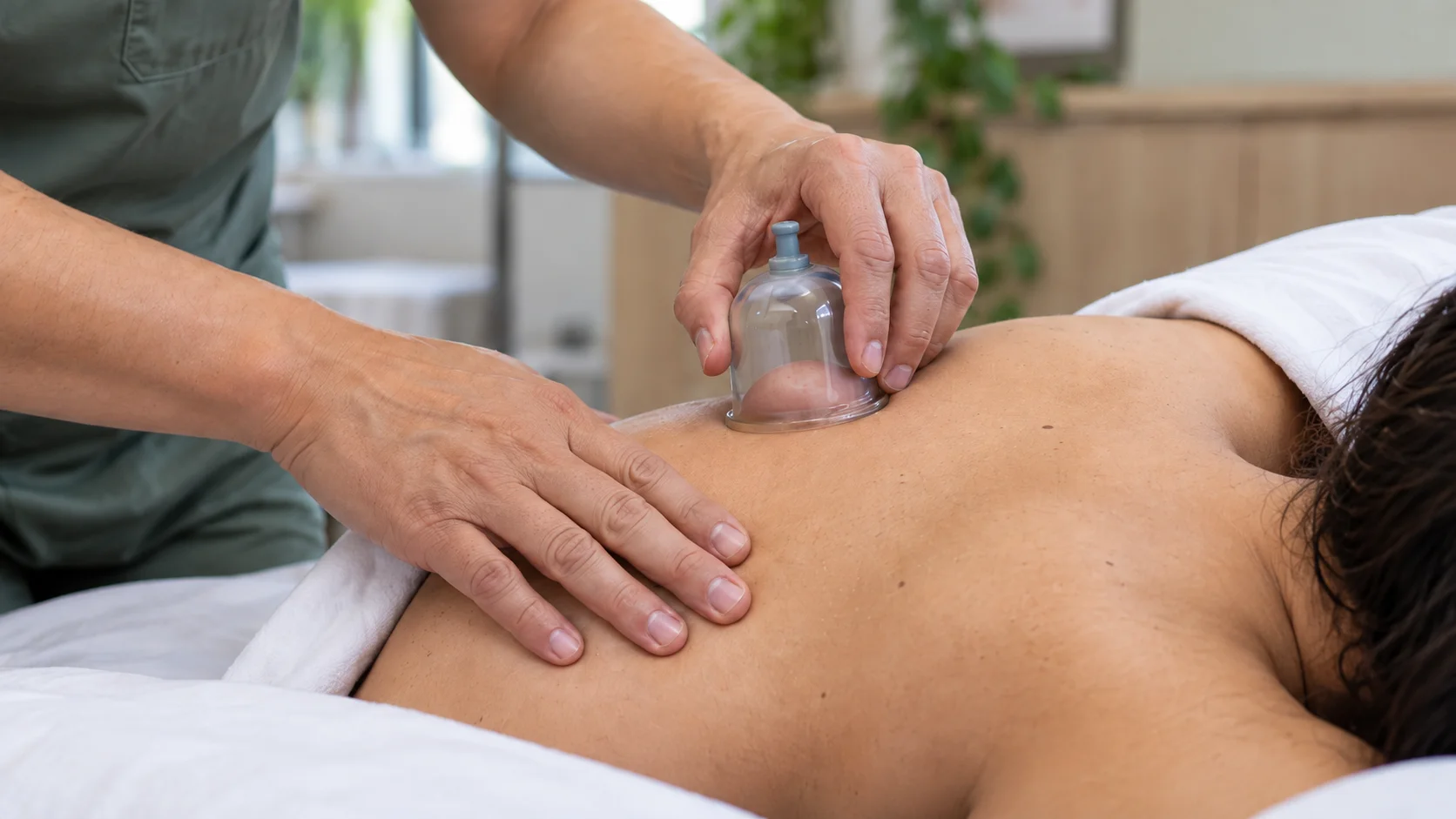
Cupping uses small cups placed on the skin to create suction, and a trained practitioner may leave the cups in one spot for several minutes or glide them over oiled skin.
The National Center for Complementary and Integrative Health (NCCIH) explains that dry cupping does not pierce the skin, while wet cupping does, so this post focuses on dry cupping, which avoids needles and cuts.
How Massage May Help
Massage presses down into muscle, while cupping lifts the skin and the tissue just beneath it.
Many people describe a firm pulling or stretching sensation. It should never feel sharply painful.
Cupping may give some people temporary relief from discomfort, but strong scientific evidence that it treats muscle tightness is lacking.
NCCIH says it may help reduce pain, though the evidence is not strong. Cleveland Clinic describes the evidence as mixed.
Massage may help ease tight muscles by working on them directly, which is why practitioners often combine the two.
Why People Try Cupping for Tight Muscles
A Looser Feeling
Cupping is often used on the back, shoulders, arms, and legs. Some people say the area feels looser afterward, making stretching or moving more comfortable. How long that feeling lasts can vary.
A Different Sensation
If deep pressure is uncomfortable for you, the pulling sensation of cupping may suit you better, although others find it too intense. It helps to begin with light suction and describe how it feels.
Pairing It With Movement
Cupping on its own does not change the habits that keep muscles tight. A desk worker with tense shoulders might pair it with gentle movement and a better chair setup, while an active adult with tight calves might use it after workouts along with stretching.
What to Expect From a Cupping Massage
Your practitioner should ask about your symptoms, health history, and goals. You can explain what level of suction feels comfortable and speak up at any time. Afterward, you may feel relaxed, loose, or mildly tender.
Cleveland Clinic notes that most providers treat cupping as a complementary option used alongside conventional care.
Regular movement breaks and a more supportive work setup may help keep tight areas from becoming strained again.
Cupping also leaves round red or darker marks on the skin.
Cleveland Clinic explains that suction can break tiny blood vessels under the skin, which is why the marks look like bruises and should fade in a week or two.
They are not toxins leaving the body, so plan ahead if you have an event, photos, or swimming coming up.
When to Check First
A doctor is the right person to ask about anything unusual, because massage therapists do not diagnose conditions or provide medical clearance. Avoid cupping if you are pregnant or have any of the following, according to Cleveland Clinic:
- Anemia, a pacemaker, or cardiovascular disease
- A bleeding disorder or blood clotting problems, including deep vein thrombosis or a history of stroke
- Seizures
- Eczema or psoriasis
Talk with a medical provider first if you:
- Take blood-thinning medication
- Have had recent surgery
- Have broken or irritated skin
- Have pain after a fall or accident, or new numbness or weakness
NCCIH notes that cupping may worsen eczema or psoriasis, and that equipment not sterilized between clients can spread infections, so it is fair to ask how your therapist cleans the cups.
Complementary Services
At PalmLeaf Massage & Wellness in Buffalo Grove, IL, massage therapy and acupuncture offer different ways to help manage muscle discomfort. Massage uses hands-on techniques to ease muscle tightness, while acupuncture is another option some people choose.
Some people use both services as part of a wellness routine, though neither replaces medical care when an underlying condition needs treatment.
Conclusion
Expect a pulling sensation, some skin tightness, and round marks that fade in a week or two. Keep in mind that results vary, and cupping cannot tell you why a muscle is tight.
If you try it, tell your therapist what level of suction feels comfortable, speak up if that changes, and mention it to your doctor if the tightness keeps coming back.
FAQs
What is the difference between dry and wet cupping?
Dry cupping uses suction without piercing the skin. Wet cupping makes small cuts, which adds infection risks.
How long do cupping marks last?
Cleveland Clinic says they should fade in a week or two. They come from suction on small blood vessels, not toxins.
Is cupping safe for everyone?
No. Cupping should be avoided during pregnancy and with certain bleeding, heart, or skin conditions. Talk with your doctor if you’re unsure whether cupping is safe for you.
Can cupping be combined with massage?
Some people use both in one visit. A therapist may use brief cupping before massage if an area feels especially tight.
What should I tell my therapist first?
Share your health history, medications, skin concerns, and recent procedures. Say right away if the suction feels too strong.
Sources
Cupping Therapy
Cleveland Clinic
Cupping
National Center for Complementary and Integrative Health (NCCIH)
What exactly is cupping?
Harvard Health Publishing
This article is for informational purposes only and is not a substitute for professional medical advice, diagnosis, or treatment. Consult a qualified healthcare provider about your health or medical condition.