

A stiff neck after long workdays, sore knees on the stairs, or stress that follows you home can affect daily life. Buffalo Grove wellness options can support different needs, from pain and mobility to relaxation, recovery, and skin care.
The best choice isn’t always the newest treatment. It’s the one that fits your goals, health history, schedule, and comfort level.
Quick Answer
What Buffalo Grove wellness options should you consider?
Massage, acupuncture, and skin care may support different goals. The right choice depends on your symptoms, health history, and what you want to improve.
Start With Your Wellness Goal
“Wellness” can mean different things to different people. Before choosing a service, think about what you would most like to change.
Maybe your shoulders feel tight after hours at a desk. You may want help with muscle tension and work habits. If you’re training for a race, your goal may be recovery and easier movement. If stress is affecting your sleep, a calming approach may make more sense.
Your needs can also change. Care after an injury may look different from care once you’re moving comfortably again.
How Wellness Services May Help
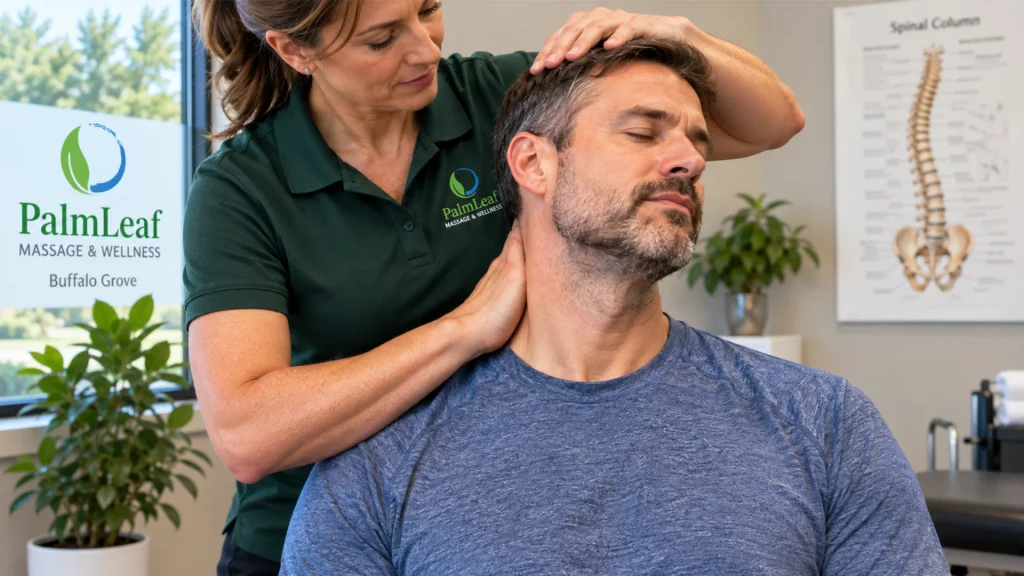
Several types of conservative care can support pain, tension, movement, and recovery. Each works differently, so there isn’t one service that suits everyone.
Therapeutic Massage
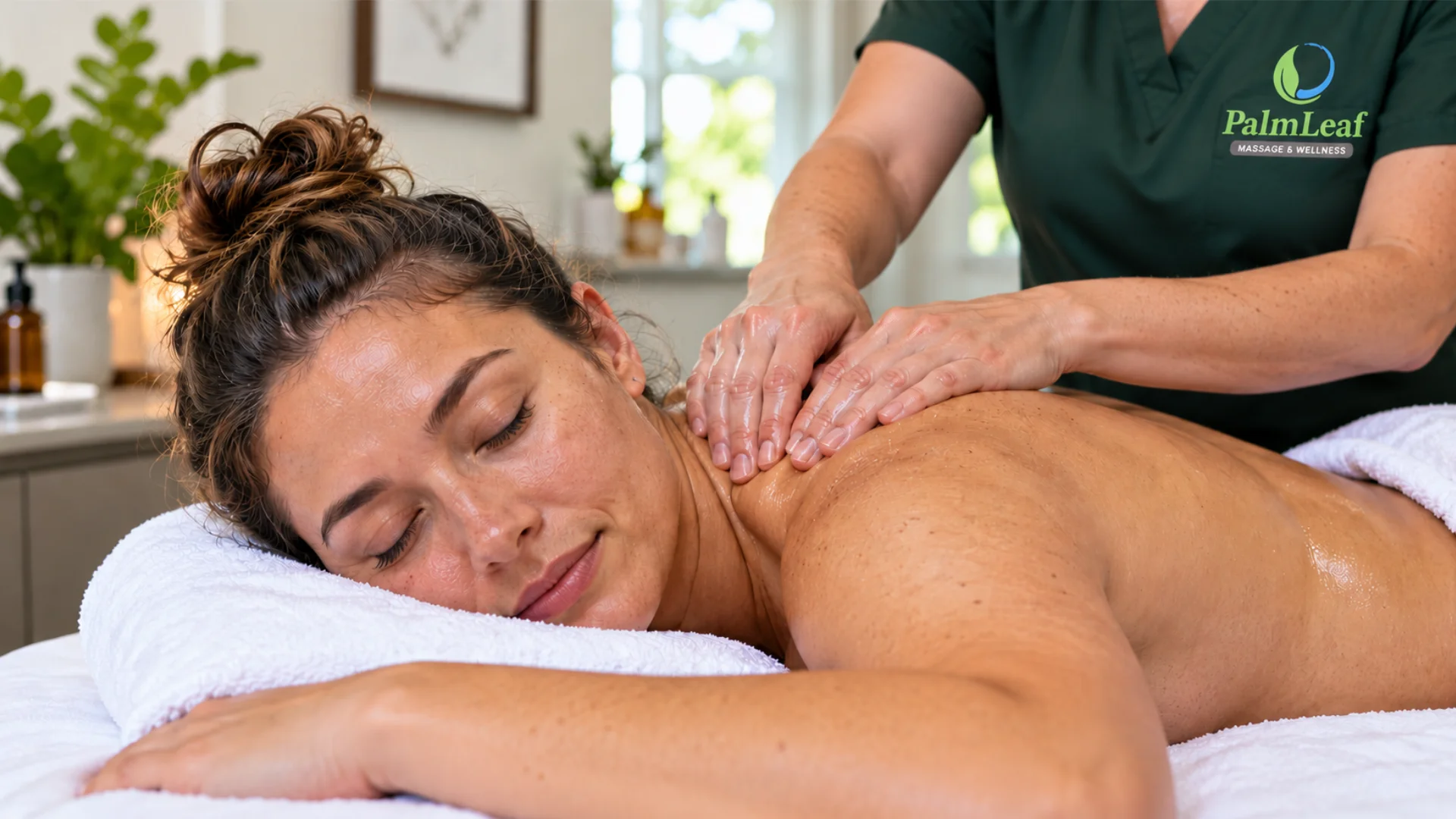
Massage therapy is often used for tight muscles, stress, and soreness after activity. Your therapist may use focused pressure, stretching, or gentle relaxation techniques based on your needs.
Some people find that regular massage helps them notice tension sooner and move more comfortably. How often you schedule massage depends on your goals, activity level, and how your body responds.
Acupuncture
Acupuncture uses very thin, sterile needles placed at specific points on the body. Some people consider it for ongoing pain, muscle tension, recovery, or stress.
Responses vary, but many people find sessions relaxing. A qualified practitioner can review your health history and discuss whether acupuncture is a reasonable option for you.
Recovery for Active, Busy Adults
You don’t have to be an athlete to need recovery. Gardening, lifting children, standing all day, weekend projects, or returning to exercise can leave muscles feeling tired and sore.
Massage may help ease muscle tension and support relaxation. Acupuncture may also be considered when pain or stress is making recovery harder.
Recovery also depends on what happens between appointments. Rest, gentle movement, enough water, and a gradual return to activity can all play a role in helping your body feel ready for the next day.
Wellness Support for Stress
Stress often shows up in the body. You may tighten your shoulders, clench your jaw, sleep poorly, or develop tension headaches.
Wellness care can’t remove the cause of stress, but it may give your body time to relax. Relaxation massage is a common choice, while some people also use acupuncture as part of their stress-management routine.
Simple habits matter too. Regular walks, screen breaks, steady meals, and a consistent sleep schedule can support the benefits of your appointments.
The goal does not have to be complete relaxation after one visit. For some people, creating regular time to slow down and care for their body can become a helpful part of a broader wellness routine.
Skin and Appearance-Focused Care
Wellness can also include caring for your skin and feeling comfortable with your appearance. Professional skin care may help with dryness, clogged pores, uneven texture, or dull-looking skin.
A skin care professional can look at your skin type and discuss options that fit your concerns. Your routine may also change with the seasons, age, sun exposure, and the products you use at home.
Complementary Services
You don’t always have to choose one service forever. Different approaches may support different parts of the same concern.
Massage therapy may help with muscle tightness, soreness, and relaxation. It can also complement a plan focused on recovery and easier movement.
Acupuncture may support pain and stress management for some people. It can be used on its own or alongside other appropriate care.
These services may also be used at different times rather than all at once. What feels useful during a stressful month may be different from what you choose during training, recovery, or periods of increased muscle tension.
What to Expect From Wellness Care
Your first visit should usually begin with a conversation. Your provider may ask about your symptoms, health history, medications, daily activities, and what you hope to improve.
Depending on the service, they may check movement, muscle tension, tender areas, or your skin. Treatment should then be adjusted to your needs and comfort.
You should also feel comfortable asking questions before treatment begins. Let your provider know if pressure, positioning, or another part of the session feels uncomfortable.
Afterward, you may feel relaxed, mildly tender, or notice changes in movement. Your provider should explain what to expect and when to contact them if something doesn’t feel right.
Is Wellness Care for You?
Buffalo Grove wellness options can be useful for many people, but they don’t replace medical evaluation when it’s needed. Talk with your doctor or another qualified healthcare professional if you have a serious medical condition, are pregnant, take certain medications, or aren’t sure whether a treatment is safe for you.
It is also important to tell your provider about recent injuries, surgery, changes in your health, or any areas that should be avoided during treatment. Clear communication helps them adjust the session to your needs.
Seek prompt medical care for severe or sudden pain, major swelling, new weakness or numbness, chest pain, dizziness, loss of bladder or bowel control, or an injury that leaves you unable to bear weight.
Sources
Massage Therapy: What You Need To Know
National Center for Complementary and Integrative Health
Chronic Pain and Complementary Health Approaches: Usefulness and Safety
National Center for Complementary and Integrative Health
Anxiety and Complementary Health Approaches: What the Science Says
National Center for Complementary and Integrative Health
This article is for informational purposes only and is not a substitute for professional medical advice, diagnosis, or treatment. Consult a qualified healthcare provider about your health or medical condition.