
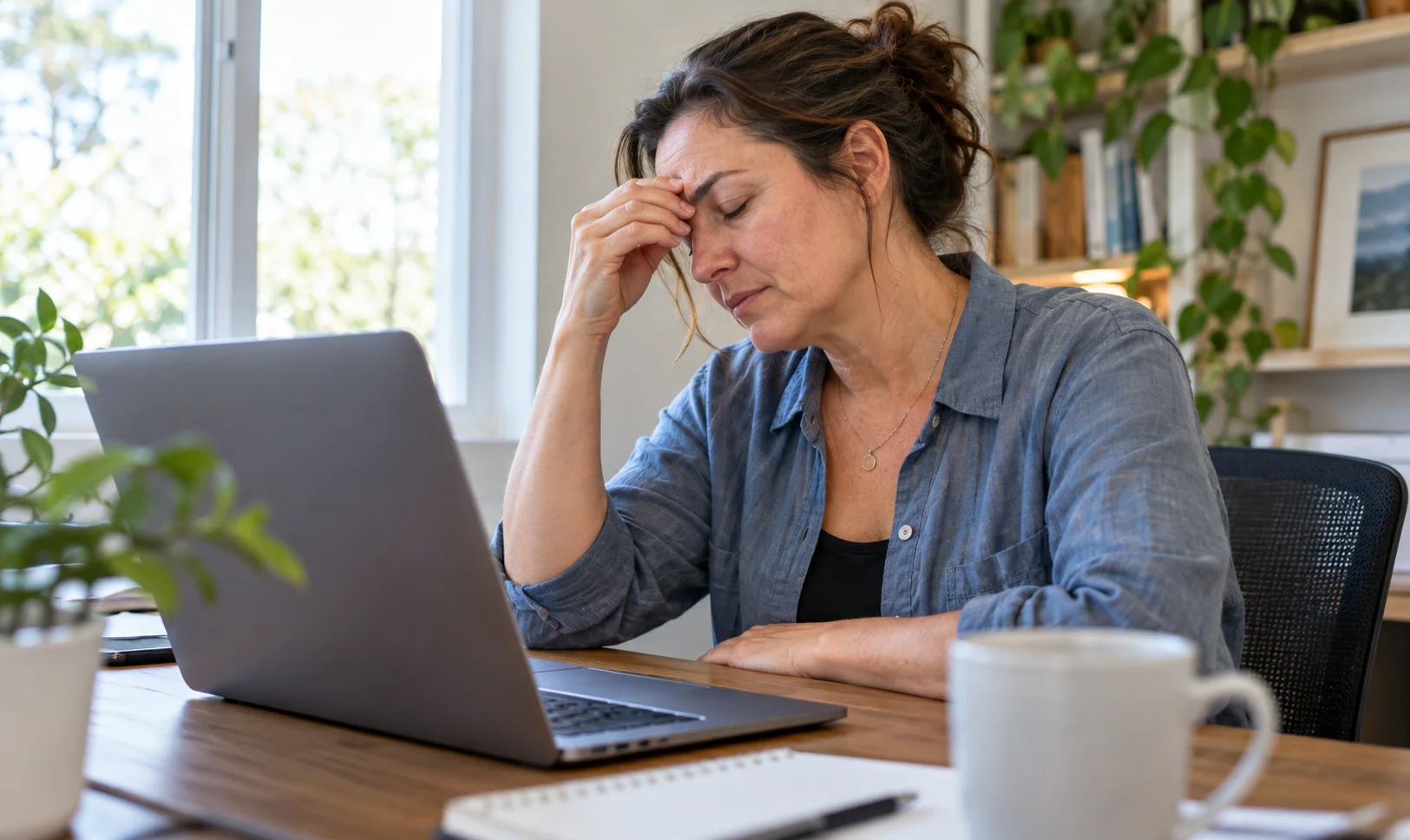
A packed calendar, a traffic jam, or a tense family moment can leave you feeling wound up, even without immediate physical danger. Understanding how stress affects the body can help you recognize what yours is trying to tell you.
This post covers what happens during the stress response, how it may show up in daily life, and how massage may help you unwind.
Quick Answer
How Does Stress Affect Health?
Stress may quicken your heartbeat, tighten muscles, and affect sleep and digestion. Short bursts often fade, but lasting stress may wear on the body.
How Stress Affects the Body
When your brain senses a threat, your body shifts into fight-or-flight. Cleveland Clinic explains that this built-in response is run by the autonomic nervous system, which controls your heart rate, breathing, and other automatic functions.
Adrenaline then raises your heart rate and blood pressure and boosts your energy supply, according to Mayo Clinic. In the moment, you might notice a pounding heart, quick breathing, tight muscles, or sweaty palms.
Stress also follows different patterns. Acute stress comes and goes quickly, episodic stress keeps returning, and chronic stress persists for weeks or months at a time.
When the response stays active for too long, it may take a toll. Long-term stress may disrupt almost all of the body's processes, including heart health, digestion, sleep, and mood.
Heart and Blood Pressure
A racing pulse during a tense moment often settles once the challenge passes, but long-term stress is linked with higher blood pressure and heart problems.
Digestion and Appetite
Your brain and gut share a network of nerves, so stress may show up as a noticeable change in appetite, bloating, or an upset stomach.
Muscles and Headaches
Many people clench their jaw or lift their shoulders without noticing. When that tightness lingers, it may contribute to headaches or aching muscles.
Mood and Sleep
Stress may bring irritability, low mood, or trouble falling asleep. NIMH notes that anxiety that doesn't go away and begins to interfere with daily life may affect sleep as well as the immune, digestive, and cardiovascular systems.
3 Ways Massage May Help
Looser Muscles
Massage focuses on the places where many people hold stress, like the neck, shoulders, and back. Some people notice less muscle tension and a greater sense of relaxation.
A Quiet Pause
A session gives you a dedicated block of time away from screens and to-do lists, and many people describe feeling calmer once they slow down.
Better Body Awareness
You may start to notice where you carry tension, whether it's a tight jaw or a stiff lower back. That awareness can help you connect stressful days with physical sensations and share useful details with your doctor.
What to Expect
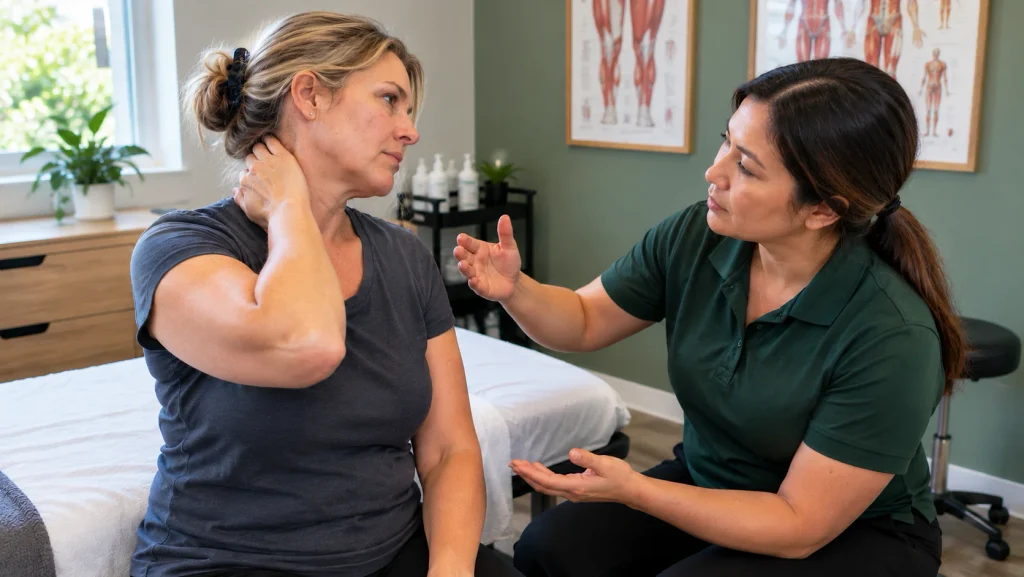
A session usually begins with a short talk about where you feel tension and how much pressure you like. Afterward, you may feel relaxed, loose, or mildly tender.
Tell your therapist if anything feels uncomfortable, since comfort with pressure, touch, and quiet varies from person to person. Your therapist can adjust the session to suit you.
When to Check First
Massage therapists don't diagnose or clear people medically, so talk with a doctor or other medical provider first if:
- You feel overwhelmed, or your physical health is affected.
- Symptoms don't ease with stress relief.
- You're relying on alcohol or drugs to cope.
Seek emergency help for new or unexplained chest pain, especially with shortness of breath, sweating, dizziness, or nausea. Do not assume it is stress. www.mayoclinic.org
Complementary Services
When stress causes physical tension, massage and acupuncture may offer different ways to help you relax. Massage uses hands-on techniques to ease tight muscles, especially in the neck, shoulders, and back. It may also help you feel calmer after a stressful day.
Acupuncture uses thin needles placed at specific points on the body. Some people find it relaxing and use it to help manage stress-related discomfort or sleep problems, though results vary.
Both services can be part of a regular wellness routine, but neither replaces medical care or mental health treatment. If stress becomes hard to manage or symptoms continue, talk with a doctor or counselor.
Conclusion
Stress can show up in many ways, from a tight jaw to a restless night or an upset stomach. A helpful first step is to notice when your body speaks up and jot down what was happening at the time. Small habits, like a brisk walk, slow breathing, or time with people you trust, may also help you feel steadier.
FAQs
What is fight-or-flight?
It's your body's built-in reaction to danger. Your heart rate, breathing, and muscles shift within moments so you can react quickly, even when the "danger" is only a deadline.
How long does stress last?
It depends on the situation. Acute stress often passes quickly, while chronic stress can last for weeks or months and may call for extra support.
Can stress cause physical symptoms?
It may. Aches, headaches, tight muscles, stomach trouble, and poor sleep are common signs, though other health issues can cause them too, so a doctor can help sort it out.
Can massage help with stress?
Many people feel calmer and less tense after a session, though individual results vary. Massage may support your routine, but it doesn't replace medical care or mental health treatment.
When should I see a doctor about stress?
See a doctor if you feel overwhelmed, your physical health is affected, or symptoms don't ease with stress relief. Seek emergency help for new or unexplained chest pain.
Sources
Stress
Cleveland Clinic
Chronic stress puts your health at risk
Mayo Clinic
I'm So Stressed Out! Fact Sheet
National Institute of Mental Health (NIMH)
This article is for informational purposes only and is not a substitute for professional medical advice, diagnosis, or treatment. Consult a qualified healthcare provider about your health or medical condition.