
Arthritis pain rarely stays in one place. When a joint hurts, nearby muscles often tighten to protect it, which is why many people consider deep tissue massage for arthritis.
Here is how massage can fit in, what a session looks like, and when to check with a doctor first.
Quick Answer
Does Deep Pressure Massage Help Arthritis?
Deep tissue massage may help ease muscle tension around affected joints when arthritis symptoms are stable. Moderate pressure may be more suitable, so talk with your doctor first.
How Deep Tissue Massage for Arthritis May Help
What Deep Tissue Massage Is
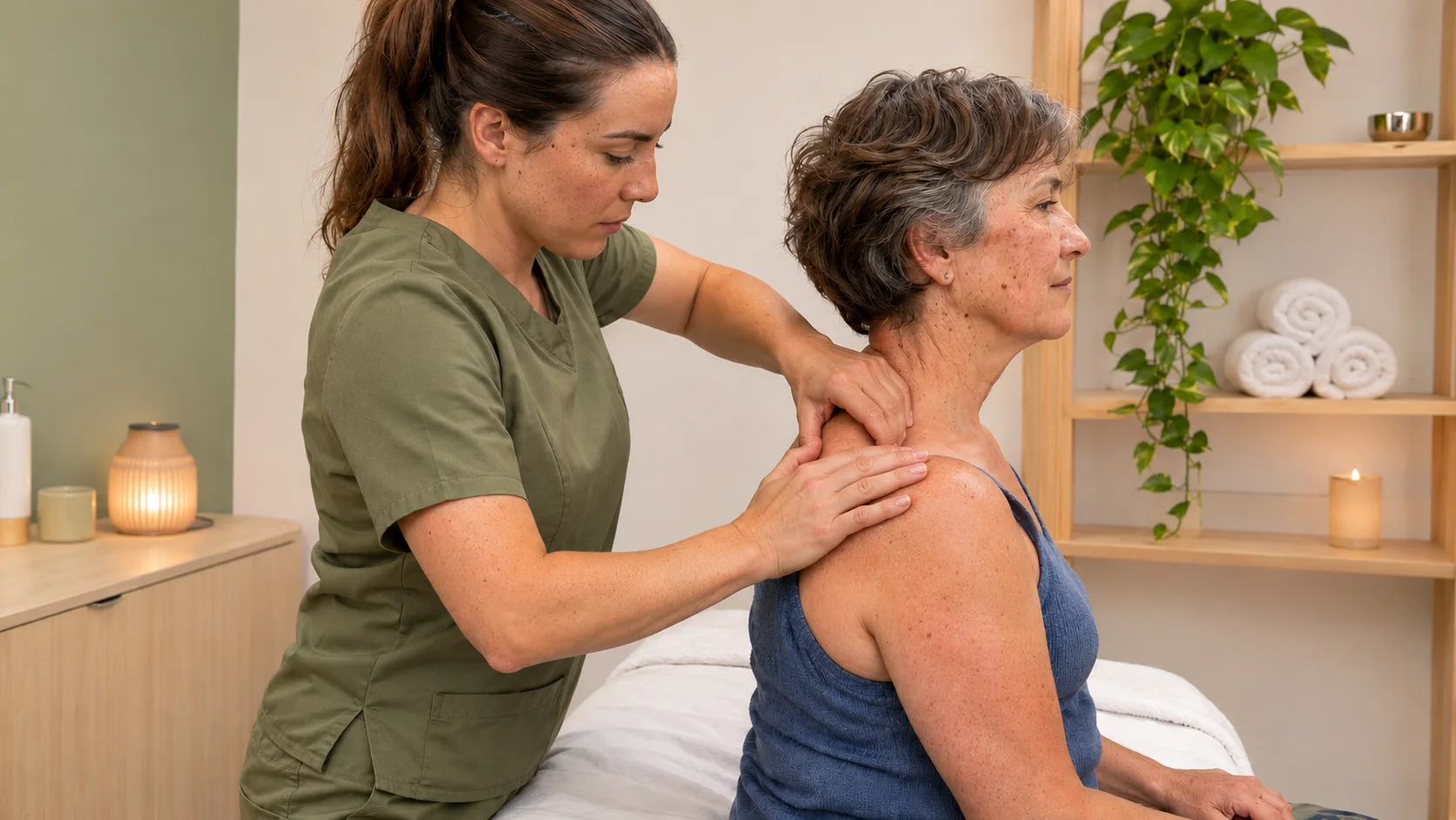
Deep tissue massage uses slower strokes and focused pressure to target tight muscles and connective tissue.
Working Around the Joint
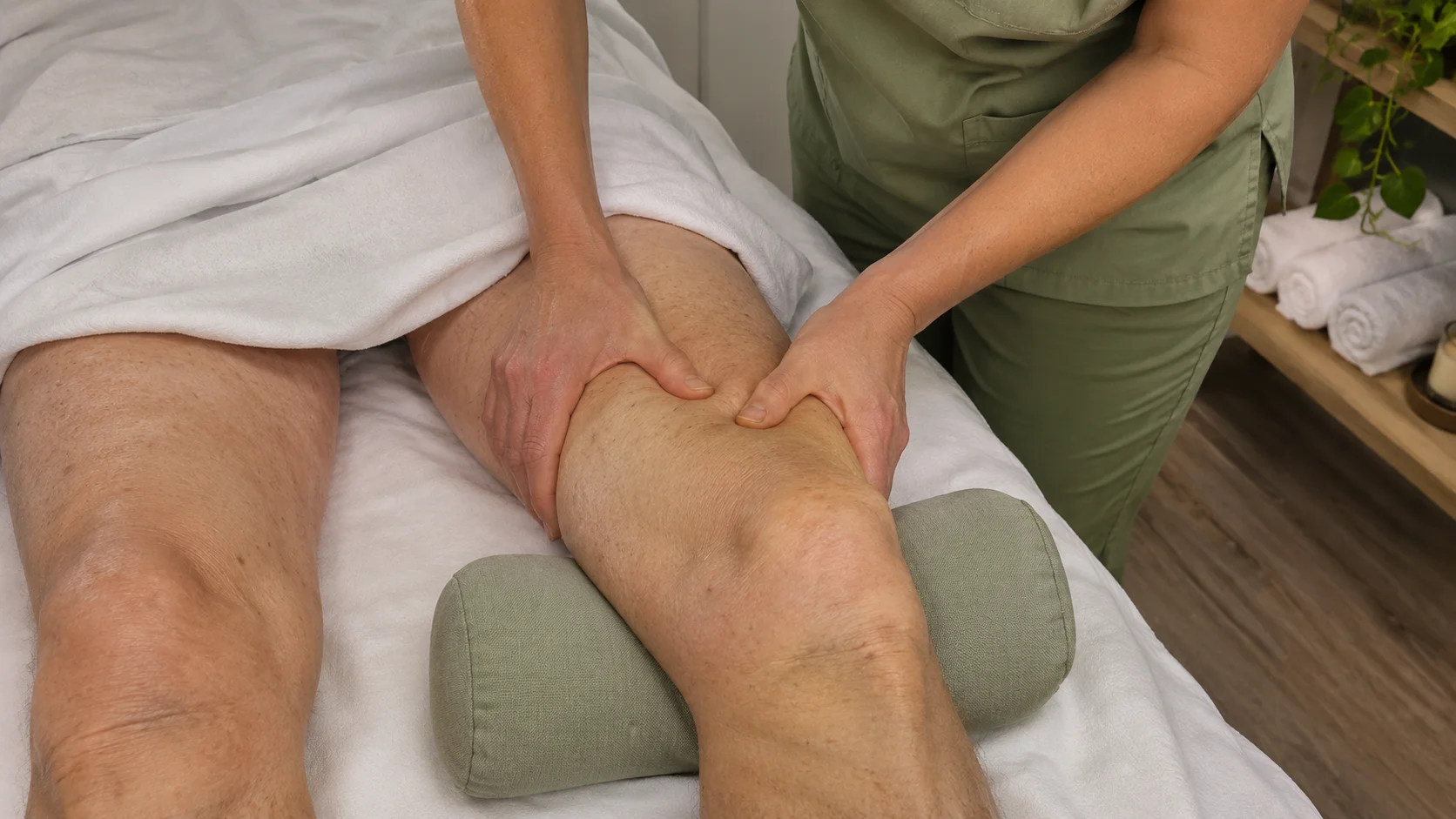
For someone with arthritis, the benefit may come from targeting the muscles around the affected joint rather than the joint itself. Tight thigh and hip muscles can make a sore knee feel stiffer.
Massage may help ease that tension so everyday movements, such as walking or rising from a chair, feel more comfortable.
Osteoarthritis and Rheumatoid Arthritis
- Osteoarthritis: Tailored massage around the joint may be beneficial when muscles are tight and symptoms are stable.
- Rheumatoid arthritis: During an active flare, deep pressure near a warm, swollen joint is usually not appropriate, and the Arthritis Foundation advises caution during flares. Gentle massage in unaffected areas may be a more appropriate option after discussing it with your clinician.
Understanding the Limits
Massage does not cure arthritis or reverse joint changes. Results vary from person to person, and any relief may be temporary, so massage should complement your existing care plan.
3 Ways Massage May Help With Arthritis
Easing Muscle Tension
Deep techniques may be most appropriate when symptoms are calm but the body feels guarded or stiff. With hip arthritis, tension can build in the glutes, lower back, and thighs. Measured pressure there may help everyday movements feel more comfortable.
Easing Secondary Muscle Strain
Limping, favoring one arm, or sitting for long periods to avoid pain can create additional strain in other muscles. Massage may help ease that strain, though a therapist should never force a joint beyond its comfortable range.
Stress Relief and Sleep Support
Many people find massage helps them feel more relaxed and comfortable during movement. Stress and poor sleep can both change how the body experiences chronic pain, though ongoing sleep trouble deserves a doctor’s attention beyond massage.
What to Expect From a Deep Tissue Massage
Before Your Session
Your therapist will ask about:
- Which joints are affected
- The type of arthritis you have
- Current treatments and medications
- Preferred pressure level
Select a therapist who welcomes questions and does not promise to “break up” arthritis or push through pain. Ask how they customize sessions for arthritis and respond to flare-ups.
During Your Session
Deep tissue massage should not feel like something you have to endure, though some tenderness can be normal. You can speak up at any time and ask for less pressure or a pause if you notice:
- Sharp pain or burning
- Numbness
- A strong urge to tense up
After Your Session
You may feel relaxed, loose, or mildly tender, although pain that is stronger or lasts longer than a day or two suggests the pressure needs adjusting next time. Check with your provider if it persists.
When to Check First
Check with your doctor before deep pressure if you have:
- A joint that is swollen, red, hot, bruised, or severely painful (skip deep pressure there)
- A recent injury, sudden unexplained pain, or a new loss of movement
- Blood thinners, easy bruising, fragile skin, or reduced sensation from neuropathy
- Severe osteoporosis or circulation concerns
- A recent heart attack, a known or suspected blood clot, or recent surgery
- A recent joint replacement or injection
Cleveland Clinic advises talking with your provider before massage if you take blood thinners, have osteoporosis, or have a blood clot in the leg. Massage therapists cannot diagnose joint pain or provide medical clearance.
Call 911 for chest pain, sudden shortness of breath, or sudden unexplained weakness. Seek urgent medical care for unexplained calf swelling, fever with a hot, swollen joint, or severe pain after a fall.
Complementary Services
Massage and acupuncture offer different ways to help manage joint-related discomfort. Massage uses hands-on techniques to ease muscle tightness, while acupuncture is another option some people choose.
Both may fit into a wellness routine, though neither replaces medical care when an underlying condition needs treatment. At PalmLeaf Massage & Wellness in Buffalo Grove, IL, you can explore massage therapy with pressure adjusted to your comfort level, or acupuncture.
Conclusion
Arthritis often asks for flexibility, not force. If massage leaves you feeling more at ease in your body and more confident with daily movement, it may be a useful part of your wellness routine.
If a session increases joint pain or fatigue, ask for a gentler plan next time. Sometimes a moderate, targeted massage works better than a full deep tissue session.
FAQs
Can massage ease knee osteoarthritis pain?
Some people with knee osteoarthritis find massage eases pain for a short time. Benefits may fade, so it may fit best alongside your care plan.
What pressure is best for arthritis?
Moderate pressure is often suggested, according to the Arthritis Foundation. Deeper work may suit calm, tight areas, but comfort should lead.
Can deep tissue massage cause bruising or injury?
Risk appears low, and serious problems are rare. Reported cases often involved vigorous massage or higher-risk people, so share your health history.
Can my doctor recommend a massage therapist?
Often, yes. A doctor may suggest a qualified therapist and can tell you whether massage suits your type of arthritis.
Does insurance cover massage for arthritis?
Coverage varies by plan, so check with your insurer first. Your doctor may also help with reimbursement.
Sources
Massage Therapy: What You Need To Know
National Center for Complementary and Integrative Health (NIH)
Benefits of Massage
Arthritis Foundation
Types of Massage
Arthritis Foundation
Massage Therapy
Cleveland Clinic
This article is for informational purposes only and is not a substitute for professional medical advice, diagnosis, or treatment. Consult a qualified healthcare provider about your health or medical condition.