
A tight calf after a run or a stiff neck after long desk hours can leave you wondering about dry needling vs acupuncture. Both use thin, solid needles, but they come from different models of care.
Here is how they differ, where they overlap, and when to talk with a doctor first.
Quick Answer
How Do the Two Differ?
Dry needling primarily targets muscle pain and movement problems, while acupuncture uses specific points on the body to address pain and other symptoms. Both approaches can target muscle trigger points.
| Dry Needling | Acupuncture | |
|---|---|---|
| Roots | Western medicine | Traditional Chinese medicine |
| Main focus | Muscle pain and movement | Pain and other symptoms |
| Often provided by | Physical therapists and other trained providers | Licensed acupuncturists |
| Role in care | Usually part of a rehab plan | Mainly a supplemental therapy |
| Feels like | A brief twitch, then soreness for about a day | Dull aches, tingling, or heaviness |
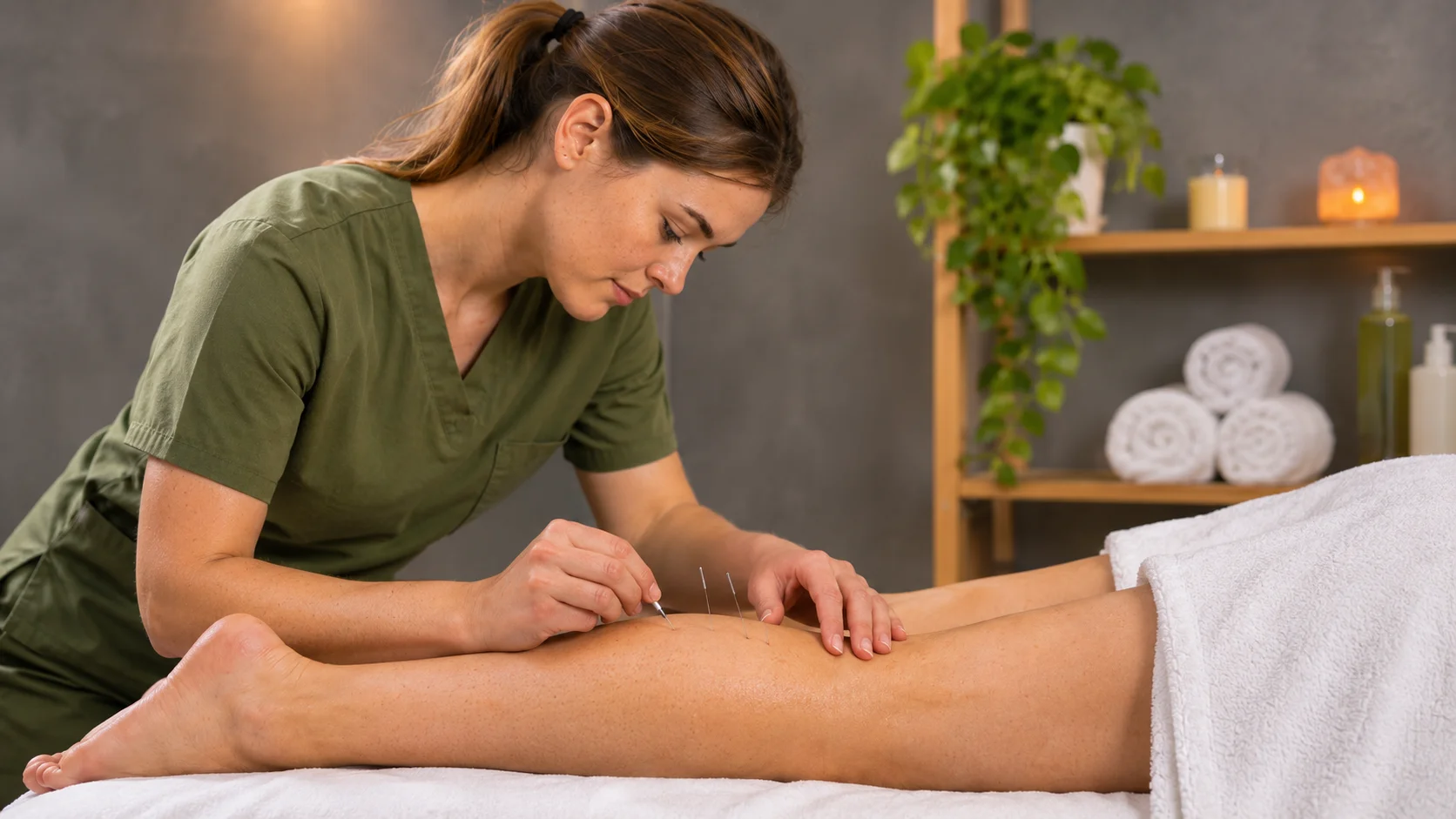
How Dry Needling and Acupuncture May Help
What Dry Needling Is
Dry needling uses thin, solid needles with no medication, which is why it is called “dry.” Cleveland Clinic describes it as a Western medicine approach that targets trigger points, the tender, knotted spots in muscle that can cause pain nearby or in other areas. It is usually one part of a broader rehab plan.
Some people feel a brief muscle twitch during treatment, and soreness often follows for about a day.
What Acupuncture Is
Acupuncture comes from traditional Chinese medicine. Your acupuncturist first talks with you about your condition, then places needles at specific points on the body. It is mainly used for pain, both in one area, like the back, neck, or knee, and throughout the body.
It is also used for headaches, migraines, and menstrual cramps, and Cleveland Clinic calls it mainly a supplemental therapy. Needles usually rest for a few minutes, up to about 20, and people often describe dull aches, tingling, or a deep heaviness.
Where the Two Overlap
Acupuncturists can use trigger point therapy to ease muscle pain, and depending on where you live, some acupuncturists also provide dry needling, so both can target the same tight spots.
Modern acupuncture also applies Western medicine, and many acupuncturists combine traditional and modern approaches. The real differences may come down to training, goals, and how a provider explains your symptoms. Either way, both should be performed by a trained, licensed provider who uses sterile, single-use needles.
Which Treatment Might You Consider?
Neither option is better for everyone. The right fit depends on your symptoms, your health history, and the kind of care you prefer.
- Dry needling may be worth discussing if you have one stubborn tight spot or limited movement after activity or injury, especially if a physical therapist is already guiding your rehab.
- Acupuncture may suit you if your discomfort feels broader, if you want a provider who looks at your overall health, or if you prefer a traditional approach.
- Massage may appeal if you would rather avoid needles, or want a hands-on option alongside either one.
Because the two overlap, ask any provider what they plan to treat and what training they have.
3 Ways Massage May Help Muscle Tightness
Easing Muscle Tension
Mayo Clinic notes that massage may ease pain and muscle stiffness. A therapist varies strokes and pressure to work on areas like the neck, shoulders, or calves, and results vary from person to person.
Supporting Relaxation
Massage may also support relaxation, which some people welcome during busy or stressful weeks.
Easing Soreness After Activity
Massage may ease muscle soreness and help people feel more comfortable after activity, but it does not replace rest or proper recovery. Tell your therapist about recent exercise so they can adjust the pressure.
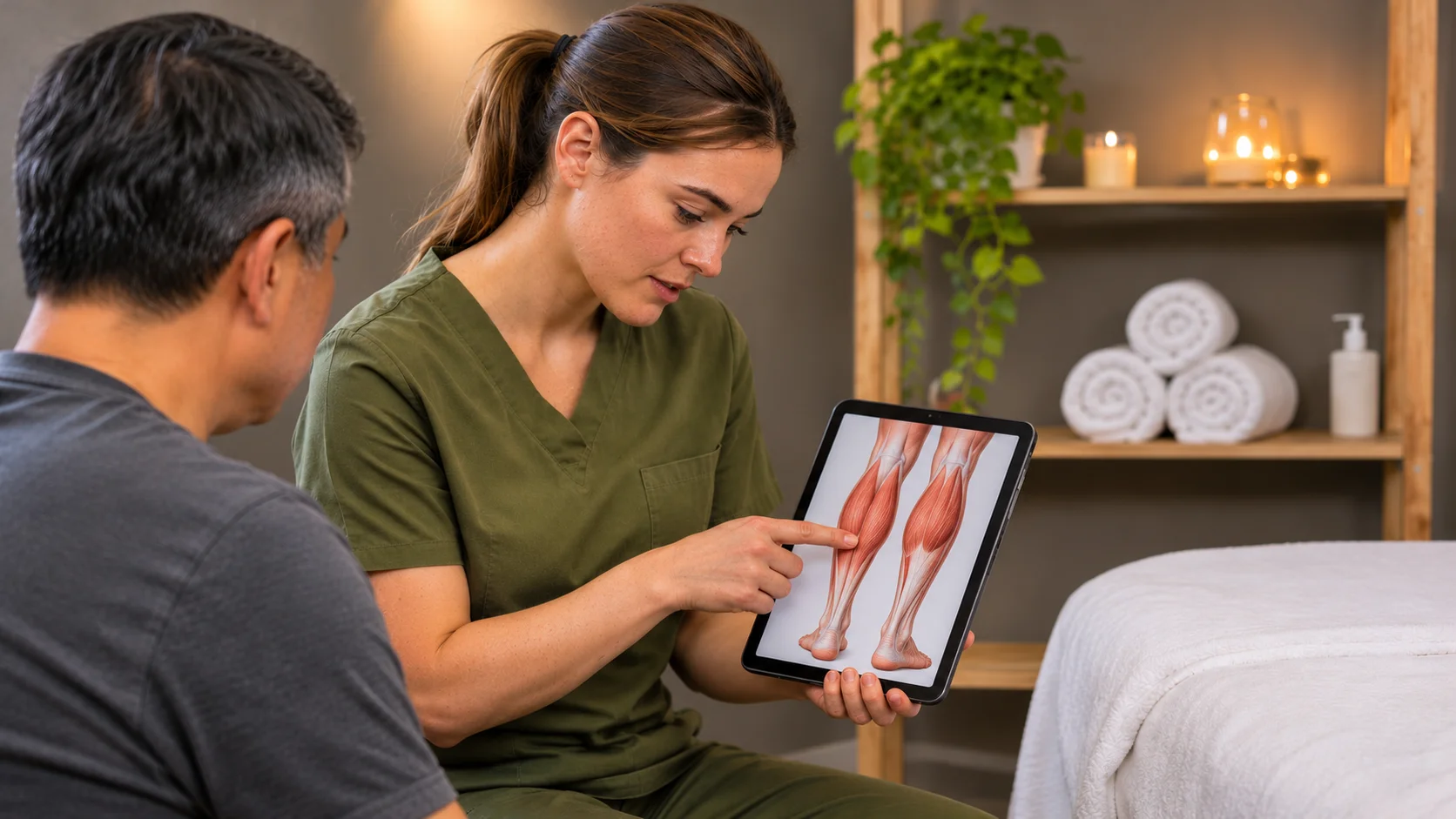
What to Expect From a Massage Session
Your therapist will ask about your goals and any health conditions, then adjust the session to fit. You can explain what pressure feels comfortable and speak up at any time. Afterward, you may feel relaxed, loose, or mildly tender.
When to Check First
A doctor is the right person for new or worsening symptoms. The precautions differ a little between needling and massage.
Before Dry Needling or Acupuncture
Cleveland Clinic advises asking a physician first about dry needling if you:
- Are pregnant
- Take blood-thinning medicine
- Have a weakened immune system
- Recently had surgery
- Have a severe fear of needles
Tell an acupuncturist about your health history as well. After needling, contact your provider if bleeding at the needle site does not stop, and call 911 for shortness of breath.
Before Massage
Check with your healthcare team first if you:
- Take blood-thinning medicine or have a bleeding disorder
- Had a recent heart attack, a known or suspected blood clot, or recent surgery
- Have broken bones, burns, or severe osteoporosis
If you are pregnant, check with your pregnancy provider before booking a massage and choose a therapist trained in prenatal massage. Providers may advise against it with conditions like gestational diabetes or high blood pressure, and most suggest waiting until the second trimester.
Massage therapists do not diagnose conditions or provide medical clearance, so a doctor is the right place to start.
Complementary Services
Massage and acupuncture offer different ways to help manage muscle discomfort. Massage uses hands-on techniques to ease muscle tightness, while acupuncture is another option some people choose for pain.
Some people use both as part of a wellness routine, though neither replaces medical care when an underlying condition needs treatment. PalmLeaf Massage & Wellness in Buffalo Grove, IL offers acupuncture and therapeutic massage for people seeking conservative support with pain and muscle tension.
Conclusion
Dry needling and acupuncture use the same type of needle and can target the same tight spots, but they differ in training, goals, and approach. Massage is a needle-free option that can sit alongside either one.
Before your next appointment, jot down where and when the tightness shows up. That small detail can help any provider choose a good starting point.
FAQs
Is dry needling the same as acupuncture?
No. They use the same type of needle, but dry needling is based in Western medicine and acupuncture in Eastern medicine.
Does dry needling hurt?
Some people barely feel the needle, while others feel a prick. Soreness can follow for about a day, and bruising may last longer.
How long do acupuncture needles stay in?
Needles usually stay in for a few minutes, up to about 20. Sensations like dull aches or tingling are common.
Who performs each treatment?
Licensed acupuncturists provide acupuncture. In Illinois, physical therapists must meet added training and competency requirements under the Illinois Physical Therapy Act before dry needling.
Can I drive home after acupuncture?
Many people feel calm afterward. Cleveland Clinic suggests a ride home after your first visit, or resting five to ten minutes before driving.
Sources
Acupuncture
Cleveland Clinic
Massage Therapy
Mayo Clinic
Considering a Prenatal Massage? Here’s What To Know
Cleveland Clinic